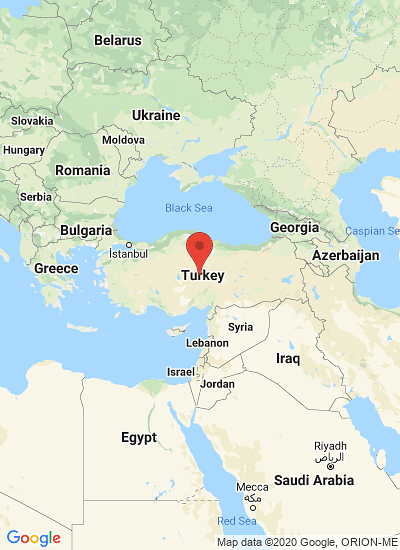

As part of the zero-waste commitment for its manufacturing operation, PepsiCo's agriculture team in Turkey invested in anaerobic digestion technology several years ago to handle the organic waste created there.
It is fed by a mixture of potato peels, corn kernels and other ingredients used in the company's snack foods.
Today, the biogas generated by that equipment covers approximately 35 percent of the electricity needed to run its two Frito-Lay snack food plants there.
What's more, PepsiCo figured out a way to turn the nutrient-rich digestate created during the process into a more environmentally friendly fertilizer, which it is now supplying to its more than 350 contract farmers in the country. The idea was a collaboration between the manufacturing team, which was trying to find a better way to dispose of the biodigester waste, and PepsiCo agricultural advisors, who were trying to reduce the negative impact of soil additives used to grow potatoes.
"As the team was thinking about what to do with the sludge, another team was looking for new fertilizer approaches that were more sustainable,"said Ece Aksel, general manager of PepsiCo Turkey. "Together, they found this process."
Pepsico recycles snack food waste into energy and fertilizer
¿Te gustaría recibir noticias como esta por correo electrónico? ¡Únete y suscríbete!
Get the latest potato industry news straight to your WhatsApp. Join the PotatoPro WhatsApp Community!
Empresa Destacada
Related News

Abril 21, 2026
Spain: stronger agri-food border controls with more physical inspections
The government says that the reorganization of border controls made it possible to increase physical inspections of agri-food products by 7.5% in one year, strengthening oversight of imports and exports amid growing trade flows.
Abril 08, 2026
Europe: ecological requirements for the agro-industrial sector
All packaging placed on the EU market must be recyclable by 2030, while the industry is calling for more flexible requirements and extended timelines to clear existing stock.
Abril 04, 2026
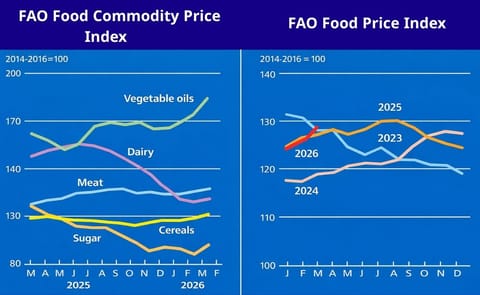
FAO Food Price Index rises for a second consecutive month, driven mostly by energy‑related pressures on vegetable oil and sugar prices
The FAO Food Price Index* (FFPI) averaged 128.5 points in March 2026, up 3.0 points (2.4 percent) from its revised February level, marking a second consecutive month of increase.