
Refrigerated Mashed Potatoes: Bridging Fresh Quality and Convenience
Refrigerated mashed potatoes also referred to as chilled mashed potatoes or fresh ready-to-heat mashed potatoes are a premium convenience food produced from fresh potatoes that are peeled, cooked, mashed and blended with dairy ingredients and/or seasonings. The product is then rapidly cooled and packaged under hygienic conditions for storage and distribution at refrigeration temperatures, typically 0–4 °C.
They are designed to deliver a fresh like sensory experience, characterized by a creamy or fluffy texture, natural potato flavor and minimal preparation time. In most cases, the product requires only 2–5 minutes of reheating using a microwave or stovetop. This makes refrigerated mashed potatoes a practical alternative to homemade preparation eliminating labor intensive steps such as peeling, boiling and mashing, while offering superior taste and mouthfeel compared to frozen or dehydrated formats.
Within the global convenience food landscape, refrigerated mashed potatoes occupy a strategic middle position. They bridge the gap between freshly prepared mashed potatoes which offer the best sensory quality but require time and effort and shelf stable or frozen products, which prioritize long shelf life over eating quality. As a result, they are particularly appealing to urban households, working professionals, families and foodservice operators seeking a balance between convenience, consistency and premium quality.
From a market perspective refrigerated mashed potatoes are part of the broader processed potato category, which includes frozen and dehydrated products. The overall mashed potatoes segment is experiencing steady global growth with estimated compound annual growth rates (CAGR) in the range of ~5% to 7% in recent industry analyses. This growth is driven by increasing demand for convenient comfort foods, premium ready-to-heat side dishes and high-quality meal components.
Expansion of cold chain infrastructure, rising urbanization and shifting consumer preferences toward “fresh-like” and minimally processed foods are key factors supporting market development. While North America and Europe remain mature markets, Asia Pacific is emerging as a high growth region, fueled by changing dietary habits and increasing adoption of refrigerated convenience foods.
Overall, refrigerated mashed potatoes represent a value added, quality focused segment that aligns with modern consumer expectations delivering convenience without significantly compromising on taste or texture.
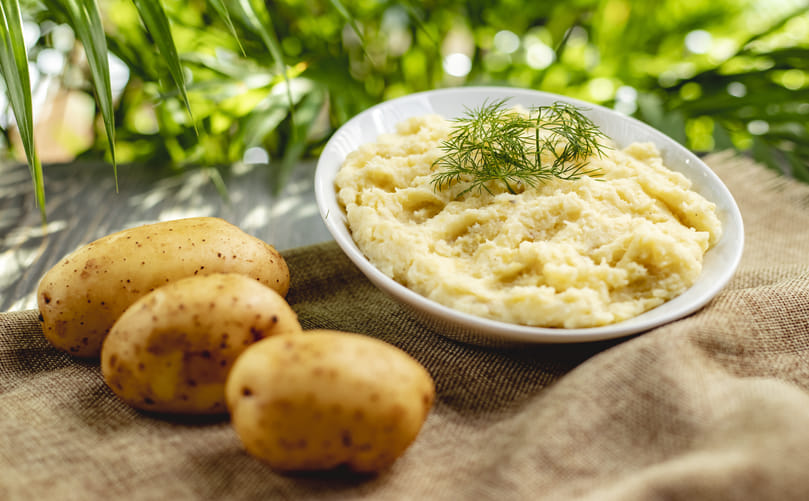
Refrigerated Mashed Potatoes: Fresh-Like Quality in a Chilled Format
Refrigerated Mashed Potatoes: Bridging Fresh Taste with Modern Convenience
Product Definition: Refrigerated mashed potatoes are fully cooked potato preparations that are mashed, blended, rapidly chilled and packaged for storage under refrigeration at 0–4°C. They are typically ready-to-heat products with a high moisture content and a smooth to slightly textured consistency, offering a fresh like eating experience within a limited chilled shelf life. These products may be plain (classic) or flavored with ingredients such as garlic, herbs, cheese or roasted onion. Premium variants are often designed for direct consumption after gentle warming, while others function as versatile bases for further culinary applications.
They are clearly differentiated from other mashed potato formats. Frozen mashed potatoes undergo freezing, which can impact texture due to ice crystal formation and generally require thawing or extended reheating. Dehydrated mashed potatoes, available as flakes, granules or powders are shelf stable but require rehydration with hot liquid and may deliver a less authentic flavor and mouthfeel. Fresh homemade mashed potatoes, while offering maximum freshness and customization require significant preparation time and kitchen effort.
Positioning: Refrigerated mashed potatoes are positioned as mid-premium to premium convenience products that combine ease of use with high sensory quality. Key marketing themes include “homestyle,” “fresh tasting,” “real ingredients” and “restaurant quality.” In retail environments such as supermarkets, hypermarkets and deli sections, they are typically sold in refrigerated tubs, trays or pouches alongside other ready-to-eat or ready-to-heat side dishes.
In foodservice channels including hotels, restaurants, quick service restaurants (QSRs), catering operations, airlines and institutional kitchens these products are supplied in bulk or portion-controlled formats. Their primary value lies in reducing labor requirements ensuring consistency in taste and texture and enabling efficient plating and portion control.
From a global perspective, the category is driven by demand for convenience among time constrained consumers along with growing interest in clean label products featuring minimal additives. In markets such as North America and Europe positioning often emphasizes the use of real butter, cream and high-quality potatoes. In emerging markets, refrigerated mashed potatoes may be promoted as hygienic, standardized and modern alternatives to traditional preparations.
Overall, the category aligns with broader trends in the processed potato sector, particularly premiumization and the “better-for-you” movement, where consumers seek high-quality, convenient food options without compromising on taste or authenticity.
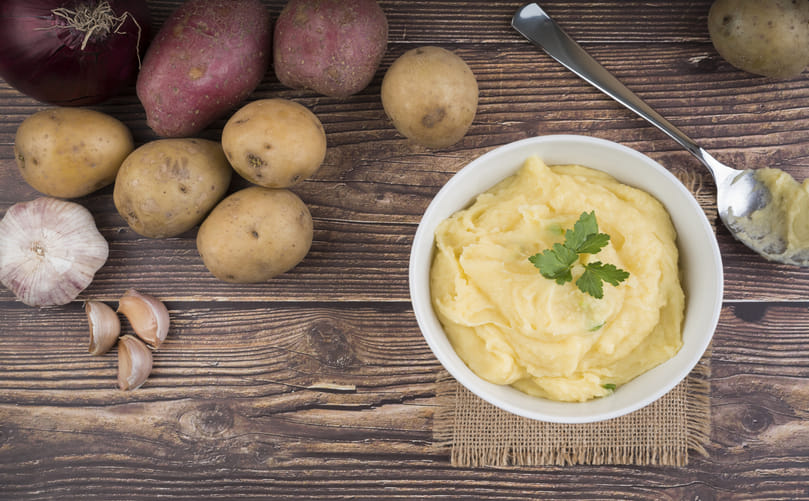
Convenient Fresh-Style Mashed Potatoes for Modern Kitchens
Raw Material Selection: The Foundation of High Quality Refrigerated Mashed Potatoes
Potato variety and raw material quality are critical to the success of refrigerated mashed potatoes. The choice of tubers directly influences final texture (fluffy vs. creamy), flavor, color stability, processing efficiency, yield and overall sensory performance during storage and reheating. Processors prioritize potatoes with an optimal compositional balance particularly high dry matter for structure and lightness while avoiding excessive moisture that can lead to dense or gummy textures.
Critical Quality Parameters: Defining Performance and Consistency in Mashed Potato Processing
Dry Matter Content and Specific Gravity: Dry matter content is one of the most important determinants of mash quality. An ideal range is typically 20–24% or higher, corresponding to a specific gravity of approximately 1.080–1.100. Potatoes within this range produce a light, fluffy mash with good absorption of butter and milk, minimal wateriness and improved yield. In contrast, low dry matter potatoes often waxy types tend to produce dense, wet or pasty mash. Specific gravity measurement is widely used as a rapid industry method to assess incoming raw material quality.
Starch Content and Functional Behavior: High starch (mealy or floury) potatoes break down more easily during cooking releasing starch granules that contribute to the desired structure. However, excessive mechanical shear during mashing can lead to over release of starch resulting in a gummy or gluey texture due to starch gelatinization and retrogradation. Therefore, both raw material selection and process control are essential.
Low Reducing Sugar Content (Glucose and Fructose): Reducing sugars should be kept at low levels (commonly below 0.2–0.5%, depending on processor specifications). Elevated sugar levels can promote undesirable Maillard browning during heating, leading to off-colors and unwanted sweet or caramelized flavors. They may also contribute to acrylamide formation and reduced color stability during chilled storage. Sugar levels are influenced by variety, maturity and especially storage conditions cold sweetening must be carefully managed.
Uniformity and Physical Integrity: Uniform tuber size and shape enable consistent peeling, cooking and mashing, reducing waste and variability between batches. Potatoes should be free from major defects such as bruising, greening, sprouting, hollow heart and internal discoloration. Mechanical damage can activate enzymatic browning (via polyphenol oxidase), resulting in grey or black discoloration in the final product.
Flavor Profile and Flesh Color: An ideal potato should have a mild, clean, earthy flavor without bitterness or off notes. Flesh color typically ranges from white to pale yellow, depending on the desired product profile. Yellow fleshed varieties can naturally impart a richer, buttery perception, which is often desirable in premium formulations.
Preferred Potato Varieties: Global Benchmarks for Texture, Flavor and Consistency
Russet Burbank and Other Russet Types: Widely regarded as the industry standard for fluffy mashed potatoes, Russet types are high in starch and low in moisture. They produce a light, airy texture and readily absorb dairy ingredients making them ideal for classic homestyle mashed potatoes, particularly in North America.
Yukon Gold: A medium starch, yellow fleshed variety known for its naturally creamy texture and rich flavor. It produces a denser, more velvety mash. Many processors and chefs prefer blending Yukon Gold with Russet varieties (often in a 50:50 ratio) to balance fluffiness and creaminess.
Maris Piper: A popular choice in the UK and parts of Europe, Maris Piper offers high dry matter, good flavor and balanced texture making it suitable for both fluffy and slightly creamy mashed products.
Other Regional Varieties: Varieties such as Desiree, King Edward and Rooster are commonly used in Europe and Australia for traditional mash. In many regions, processors rely on locally adapted equivalents and often blend multiple varieties to maintain consistent quality throughout the year.
Additional Considerations: Ensuring Consistency from Sourcing to Final Product Quality
Sourcing and Storage Management: Consistent quality is typically achieved through contract farming with clearly defined specifications including dry matter, sugar levels and defect tolerance. Proper storage conditions are essential to maintain quality, particularly in preventing cold induced sweetening, which can negatively impact flavor and color.
Quality Testing Protocols: Incoming raw materials are routinely tested for specific gravity, reducing sugar levels, physical defects and physiological maturity. These evaluations ensure consistency in processing performance and final product quality.
Impact of Poor Raw Material Selection: Substandard potatoes such as those with low dry matter or high sugar content can result in watery texture, syneresis (liquid separation) during storage or reheating, undesirable color changes, shorter shelf life and poor mouthfeel. These issues directly affect consumer acceptance and product reliability.
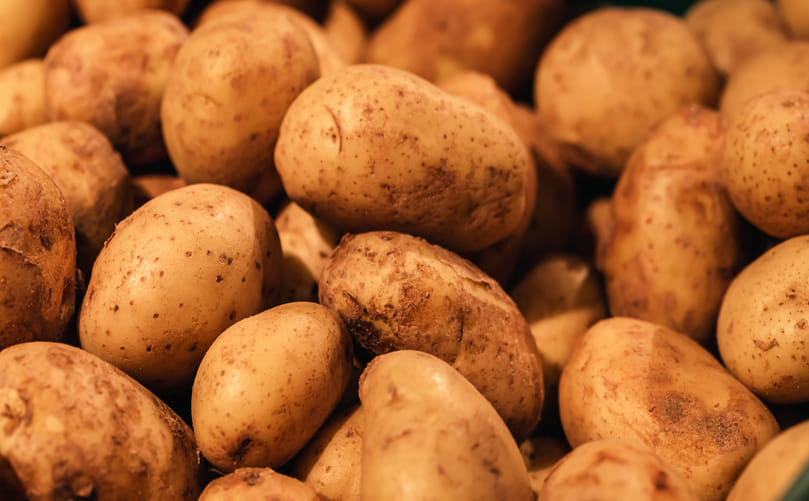
Selecting the Right Potatoes for Refrigerated Mash Quality
From Raw Potatoes to Ready-to-Heat Perfection: Industrial Processing Flow of Refrigerated Mashed Potatoes
The industrial production of refrigerated mashed potatoes is a highly automated, continuous or semi continuous process designed to ensure food safety, product consistency, precise texture control and rapid cooling for chilled distribution. The objective is to convert high quality raw potatoes into a smooth, flavorful mash while minimizing microbial risks and avoiding defects such as gumminess, lumpiness or excess water release (syneresis). Leading manufacturers, follow a structured and optimized sequence:
Receiving and Washing: Potatoes are received in bulk and transferred to washing systems such as flume washers or rotary drum washers. These systems effectively remove soil, stones and field debris. Proper washing is critical not only for hygiene but also to prevent equipment wear and contamination in downstream operations.
Peeling: Steam peeling is the industry standard due to its high efficiency and minimal flesh loss. Tubers are exposed to high pressure steam for a short duration, after which the loosened skins are removed through mechanical brushing or abrasion. Some facilities use abrasive peelers as an alternative. Post-peeling, potatoes undergo manual or optical sorting to remove defects, eyes, discoloration or residual skin. Advanced optical sorting systems equipped with high-speed cameras ensure consistent quality.
Cutting and Size Reduction: Peeled potatoes are cut into uniform pieces (typically 10–20 mm cubes) using hydro cutters or mechanical dicers. Uniformity in size is essential for even heat transfer during cooking preventing undercooking or overcooking both of which negatively affect final mash texture.
Blanching / Pre-Cooking: A short blanching step in hot water or steam is often applied to inactivate enzymes, reduce surface starch and improve color retention. This step also helps minimize stickiness and contributes to a smoother final texture.
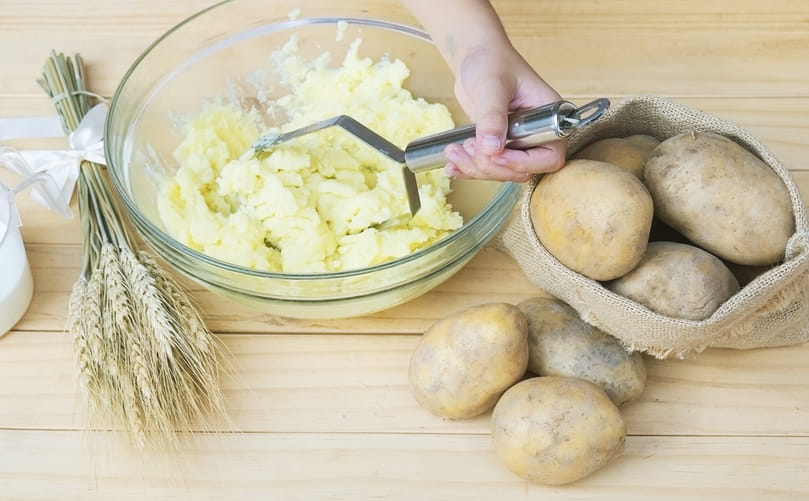
The Journey to Perfect Mash: From Raw Potatoes to Ready-to-Heat
Cooking: Potatoes are cooked until tender using either steam or boiling systems. Steam cooking commonly performed in continuous steam cookers or rotating drum systems is preferred because it reduces nutrient leaching and limits excess water absorption. Cooking parameters are tightly controlled to achieve optimal starch gelatinization while preserving cellular integrity.
Mashing and Blending: Cooked potatoes are processed through ricers, food mills or gentle mashers that break them down without excessive shear. This is critical to prevent over-release of starch, which leads to a gluey or pasty texture. The mash is then transferred to blending systems where pre-heated ingredients such as milk, cream, butter and seasonings are incorporated using low shear mixers. Some high-end processes may include controlled homogenization for ultra smooth textures, but this is carefully managed.
Mild Heat Treatment / Pasteurization: To extend refrigerated shelf life the product may undergo mild pasteurization, typically in the range of 65–75°C for a short duration in a closed system. This reduces microbial load while maintaining sensory quality. The process is carefully balanced to avoid overprocessing.
Rapid Cooling / Chilling: This is one of the most critical control points. The hot mashed potatoes are rapidly cooled using scraped surface heat exchangers, plate heat exchangers, vacuum cooling systems or spiral chillers. The temperature is reduced to below 4°C (ideally 0–2°C) as quickly as possible to minimize the time spent in the microbial danger zone (5–60°C). Rapid cooling preserves texture, flavor and color while preventing syneresis. In some systems inert gases such as nitrogen are used to reduce oxidation.
Packaging: The cooled product is filled into containers under hygienic often aseptic or near aseptic conditions. Packaging formats include trays, pouches or tubs, frequently using vacuum sealing or modified atmosphere packaging (MAP) to extend shelf life and maintain product quality.
Final Chilling and Cold Storage: After packaging, the product undergoes final chilling to ensure uniform internal temperature before entering the cold chain. Storage and distribution are maintained at 0–4°C to preserve safety and quality throughout shelf life.
Process Control and Food Safety: Throughout the entire production line, strict adherence to Good Manufacturing Practices (GMP) and HACCP protocols is essential. Closed systems, automated controls and real time sensors monitor parameters such as temperature, moisture, particle size and microbial load. This ensures batch-to-batch consistency, minimizes contamination risks and maintains high product standards.
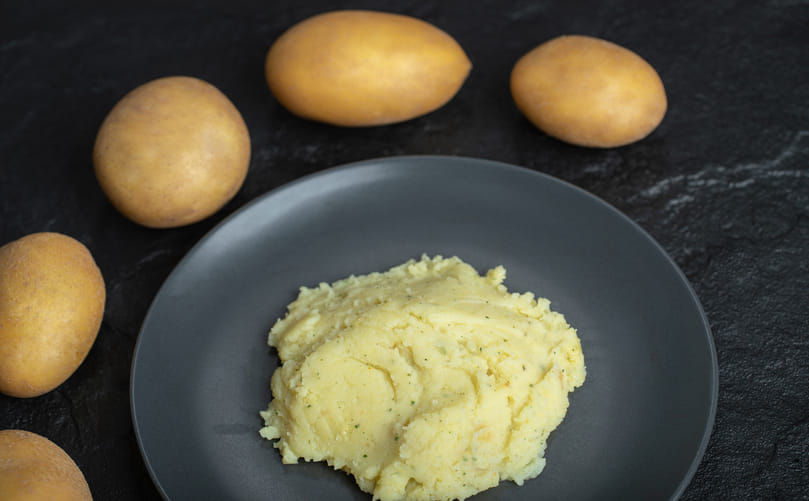
From Raw Potatoes to Ready-to-Heat Perfection
Formulation and Ingredients: Building Texture, Stability and Flavor in Refrigerated Mashed Potatoes
Formulation is central to achieving the desired creamy mouthfeel, balanced flavor, structural stability and consistent reheating performance in refrigerated mashed potatoes. The product base typically consists of high dry matter mashed potatoes (around 70–90% of the formulation), complemented by functional ingredients that enhance richness while minimizing issues such as starch retrogradation, gumminess and syneresis (water separation).
Core Ingredients: The Foundation of Texture, Flavor and Creaminess
Potatoes: Potatoes form the structural foundation of the product. Varieties with high dry matter (rich in starch) are preferred because they produce a fluffy, cohesive mash with better water absorption and reduced stickiness. The choice of cultivar directly influences final texture, viscosity and processing behavior.
Dairy Components: Dairy ingredients such as whole milk, low-fat milk, cream and butter are typically incorporated at combined levels of 5–15%, depending on product positioning. These ingredients are added warm to the freshly cooked mash to promote proper emulsification and uniform distribution. Butter plays a critical role by coating starch granules, which enhances creaminess, reduces stickiness and improves lubrication in the mouthfeel. Premium “homestyle” or “restaurant style” products often emphasize real butter and cream for authentic flavor and richness.
Salt and Seasonings: Sodium chloride is essential for flavor enhancement and balancing the natural blandness of potatoes. Additional seasonings may include white or black pepper, onion powder, garlic, herbs or cheese powders depending on product variants and regional preferences.
Functional Ingredients for Stability and Texture Control in Refrigerated Mashed Potatoes
Emulsifiers: Mono and diglycerides (commonly vegetable derived) are used to stabilize fat water interactions, ensuring a uniform dispersion of dairy fat within the aqueous phase. They contribute to smoother texture and reduce the risk of fat separation during storage and reheating.
Hydrocolloids / Stabilizers: Hydrocolloids such as xanthan gum, guar gum and κ-carrageenan are used at low inclusion levels (typically 0.1–0.5%). These ingredients improve water holding capacity, increase viscosity and prevent syneresis during chilled storage and reheating. κ-carrageenan contributes to gel strength and structure, while xanthan gum enhances smoothness and flow behavior. Proper balancing is essential as excessive use can lead to an undesirable gummy texture.
Color Stabilizers: Processing aids such as sodium acid pyrophosphate (SAPP) and ascorbic acid are used to inhibit enzymatic browning and maintain a natural white to cream color. These are especially important during peeling and early processing stages.
Preservatives: Depending on the product category, preservatives such as potassium sorbate or sodium benzoate may be used to extend shelf life. Alternatively, clean label formulations rely on cultured dextrose or natural antimicrobials. Many premium products minimize or avoid synthetic preservatives instead depending on strict process control rapid cooling, modified atmosphere packaging (MAP) and mild heat treatment to achieve a refrigerated shelf life of approximately 14–60+ days.
Additional Functional Ingredients: Small amounts of potato flakes or granules may be added to standardize consistency and improve texture control. Whey proteins can enhance emulsification and water retention. In dairy free formulations, plant-based alternatives such as oat, almond or coconut milk are used alongside suitable emulsifiers and stabilizers to replicate creaminess.
Formulation Strategy: Balancing Creaminess, Stability and Clean Label Efficiency
An effective formulation balances sensory quality, cost and stability. Higher fat levels improve richness and mouthfeel but increase formulation cost and caloric value. Stabilizers must be optimized to prevent both gumminess (caused by excessive starch breakdown and amylose release) and syneresis. Clean label trends are driving the industry toward simplified ingredient lists, relying more on raw material quality and precise processing conditions rather than heavy additive use.
Control of pH and water activity also plays a supporting role in ensuring microbial stability and maintaining product integrity during refrigerated storage. Functional Outcome A well designed formulation ensures that refrigerated mashed potatoes maintain a smooth, cohesive structure during storage and reheat uniformly without becoming lumpy, dry or watery. This consistency is essential for delivering reliable sensory quality across different markets and consumption conditions.
Packaging Technologies for Refrigerated Mashed Potatoes: Ensuring Safety, Shelf Life and Convenience
Packaging plays a critical role in the stability and safety of refrigerated mashed potatoes as the product is high in moisture, rich in nutrients and highly susceptible to microbial spoilage and quality deterioration. Effective packaging systems must protect against oxygen ingress, moisture changes, microbial contamination and physical damage, while also offering convenience features such as easy opening and microwave compatibility. Additionally, packaging must integrate seamlessly with cold chain logistics.
Key Packaging Technologies for Shelf-Life Extension and Quality Preservation
Modified Atmosphere Packaging (MAP): MAP is the most widely used technology for ready-to-heat mashed potatoes and similar chilled foods. In this system, ambient air is replaced with a controlled gas mixture typically high carbon dioxide (CO₂) to inhibit microbial growth, very low oxygen levels (generally <1%) to reduce oxidation and aerobic spoilage and nitrogen (N₂) as an inert filler gas. This approach slows the growth of spoilage organisms such as molds and aerobic bacteria, reduces lipid oxidation (especially in dairy containing formulations) and helps maintain color and flavor. When combined with proper refrigeration, MAP can extend shelf life to approximately 10–21 days or longer depending on additional preservation hurdles. Common systems include tray sealing and flow wrap packaging.
Vacuum Packaging: Vacuum packaging removes most of the air from the package, significantly lowering oxygen levels and thereby reducing oxidation and aerobic microbial activity. It is effective for dense mashed potato products but may compress the structure slightly or lead to liquid separation (purge) if not carefully controlled. Variations such as vacuum skin packaging (VSP) or hybrid vacuum gas flush systems are often used to improve product presentation and stability.
High Barrier Packaging Materials: High performance packaging materials are essential for maintaining product quality during refrigerated storage. Multi-layer films and trays incorporating materials such as EVOH (ethylene vinyl alcohol), polyamide (nylon) or metallized layers provide strong barriers against oxygen, moisture and light. Common packaging formats include rigid or semi-rigid plastic trays with heat sealed lidding films, which are widely used in retail due to their visibility and microwave compatibility. Flexible pouches and tubs are typically used for bulk or foodservice applications. Many packaging systems are designed to be microwave safe, ovenable or dual ovenable to enhance consumer convenience.
Advanced Packaging Features and Sustainability Innovations
Advanced packaging systems often include gas flushing or vacuum gas replacement technologies to achieve ultra-low residual oxygen levels. In some processing lines, nitrogen may be injected directly into the mash prior to packaging to further reduce oxidation risk. Anti-fog lidding films are commonly used to prevent condensation and maintain product visibility in retail displays.
Sustainability considerations are increasingly important with manufacturers adopting recyclable mono-material structures, lightweight designs and reduced plastic solutions to meet environmental and regulatory expectations.
Packaging as a Critical Control Point for Product Quality and Food Safety
Packaging functions as a critical control factor in conjunction with formulation, mild heat treatment, rapid cooling and strict cold chain management (typically 0–4°C). Together, these hurdles help control spoilage organisms and pathogens such as Listeria monocytogenes, as well as lactic acid bacteria, yeasts and molds.
Effective packaging prevents oxidative rancidity in fats, maintains natural color, minimizes off flavor development and preserves the desired smooth texture by reducing moisture migration and syneresis. For global distribution, packaging systems must also withstand mechanical stresses during transportation while maintaining seal integrity and barrier performance.
Modern packaging technologies enable manufacturers to strike a balance between extended shelf life, product safety, sensory quality and consumer convenience. When properly integrated with processing and storage systems, these technologies ensure consistent product performance across diverse markets and distribution conditions.
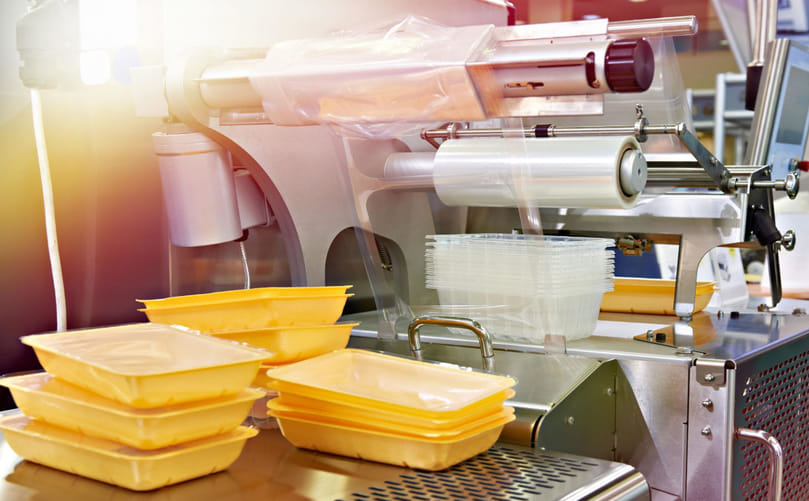
Advanced Packaging Technologies for Refrigerated Mashed Potatoes
Maintaining Integrity: Cold Chain and Storage Requirements for Refrigerated Mashed Potatoes
Refrigerated mashed potatoes are highly perishable, Time/Temperature Control for Safety (TCS) foods meaning they require a strictly maintained cold chain from production through distribution, retail and final consumer handling. Any interruption or temperature abuse can rapidly accelerate microbial growth, spoilage and quality deterioration, which may compromise both safety and shelf life.
Optimal Storage Conditions: The recommended storage temperature throughout the supply chain is consistently maintained between 0–4°C with an ideal target range of 0–2°C to maximize both safety and product quality. Most global food safety guidelines for chilled ready-to-eat foods specify storage at or below 4°C and closer control near 0°C is preferred wherever infrastructure allows. Relative humidity is generally maintained at high levels, around 85–95% to minimize surface drying; however, in properly sealed and airtight packaging systems, moisture loss is largely controlled by the packaging itself rather than ambient humidity. Temperature fluctuations must be strictly avoided since even short-term exposure above 5–7°C can significantly reduce shelf life and increase the risk of growth of psychrotrophic microorganisms.
Cold Chain Stages and Best Practices: During production and packaging the product must be rapidly cooled immediately after processing to ensure the core temperature reaches below 4°C as quickly as possible, minimizing microbial activity from the earliest stage. In warehousing, refrigerated cold storage facilities must maintain stable temperature control with uniform airflow, continuous monitoring systems and proper inventory rotation practices such as FIFO (First-In-First-Out) to ensure product freshness.
During transportation, refrigerated trucks or containers (reefers) are required to maintain the set temperature without interruption. Vehicles should be pre-chilled before loading, and loading practices must ensure proper air circulation while avoiding over stacking or blockage of airflow, as uneven cooling can create localized warm zones. Modern logistics systems increasingly use real time temperature monitoring through telematics and data loggers to ensure compliance with safety standards and detect deviations immediately.
At the retail and foodservice level products must be displayed in refrigerated units maintained at or below 4°C. Frequent door opening should be minimized to avoid temperature fluctuations. In hotels, restaurants and catering environments, storage should be in dedicated chilled units and the use of portion-controlled packaging helps reduce repeated handling and contamination risk.
At the consumer level, the product should be stored in the coldest part of the घरेल refrigerator, typically the back or lower shelves and consumed within the “Use By” date indicated on the packaging to ensure safety and quality.
Challenges in Global Supply Chains: Maintaining an uninterrupted cold chain is especially critical in long distance or international supply networks. Temperature deviations during loading and unloading, transportation delays or equipment failures can rapidly impact product quality and safety. To address these risks, modern supply chains increasingly rely on digital monitoring tools such as data loggers, IoT-based temperature sensors and advanced traceability systems including blockchain based tracking for end-to-end visibility.
In warmer regions or developing markets, limited cold chain infrastructure remains a key challenge but also a major growth opportunity for this product category. Overall, strict cold chain adherence is non-negotiable for ensuring regulatory compliance, food safety and consistent consumer quality in refrigerated mashed potato products.
Ensuring Safety and Freshness: Shelf Life and Food Safety of Refrigerated Mashed Potatoes
Refrigerated mashed potatoes are highly perishable chilled foods with a limited shelf life due to their high moisture content, nutrient availability and near neutral pH, all of which support microbial growth under improper storage conditions.
Typical Shelf Life: Commercial refrigerated mashed potatoes generally have a shelf life of 7–21 days under properly controlled refrigeration conditions. In some advanced systems using technologies such as Modified Atmosphere Packaging (MAP), High Pressure Processing (HPP) or mild pasteurization combined with strict hygiene and cold chain control, shelf life can be extended beyond 30 days depending on formulation and regulatory approval. In contrast, homemade or minimally processed preparations typically remain safe for only 3–5 days when stored continuously at or below 4°C in airtight containers.
Shelf-life determination is not arbitrary; it is validated through structured shelf-life studies including real time storage trials and challenge testing under controlled conditions. These studies also account for temperature abuse scenarios, such as short-term exposure to ambient temperatures (around 20–22°C) to evaluate worst case safety margins.
Microbial Risks and Pathogens: Refrigerated mashed potatoes are classified as Time/Temperature Control for Safety (TCS) foods. The primary spoilage organisms include psychrotrophic bacteria such as lactic acid bacteria, yeasts and molds, which can grow slowly even under refrigeration, leading to souring, off-odors, texture breakdown and surface slime formation.
More critical are pathogenic risks. Key organisms of concern include Listeria monocytogenes, which is particularly significant because it can grow at refrigeration temperatures (0–4°C), as well as spore forming bacteria such as Clostridium perfringens and Bacillus cereus, which may survive inadequate cooking or improper cooling. In cases of poor hygiene or contaminated raw materials, pathogens such as Salmonella and pathogenic E. coli may also be present.
Temperature abuse is a major risk factor. Exposure to the danger zone (5–60°C) allows rapid microbial multiplication. To control this, cooked potatoes must be cooled efficiently using a validated two-stage cooling process, typically reducing the temperature from 60°C to 21°C within 2 hours, and then from 21°C to 5°C within an additional 4 hours.
Control Measures for Food Safety: Food safety is ensured through multiple integrated control measures. Hygienic processing based on Good Manufacturing Practices (GMPs) is essential to prevent contamination during and after cooking. Thermal processing typically involves cooking to a core temperature of at least 75°C, with some extended shelf-life systems applying mild pasteurization regimes depending on regulatory frameworks and product design.
Hurdle technology plays a key role in extending shelf life and ensuring safety. This includes rapid chilling, control of formulation factors such as pH where applicable, permitted preservatives, emulsifiers and stabilizers and the use of Modified Atmosphere Packaging (MAP) to slow microbial growth and oxidation. Together, these hurdles create multiple barriers to microbial proliferation.
Hazard Analysis and Critical Control Point (HACCP) systems are mandatory in commercial production. Critical Control Points (CCPs) typically include cooking time and temperature, cooling rate, packaging integrity and continuous cold chain maintenance. Routine microbiological testing for total plate count, coliforms and Listeria species along with environmental monitoring programs are standard industry practices.
Robust traceability systems ensure full batch tracking from raw material sourcing to final distribution. Shelf life is scientifically validated under worst-case storage and handling conditions to ensure consumer safety throughout the declared period.
Globally, production standards are aligned with regulatory frameworks such as those from the FDA in the United States, EFSA in Europe and equivalent national food safety authorities. For products with extended shelf lives beyond 5–10 days, enhanced control measures specifically targeting Listeria monocytogenes are typically required. Consumers must always adhere to the “Use By” date and any product showing signs of spoilage such as off-odors, discoloration or separation should be discarded immediately.
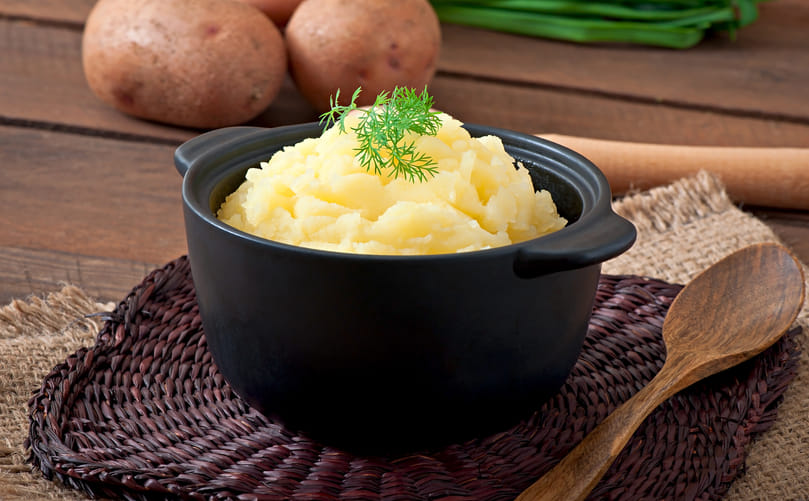
Shelf Life and Food Safety of Refrigerated Mashed Potatoes
Defining Excellence: Quality Attributes and Sensory Characteristics of Refrigerated Mashed Potatoes
High quality refrigerated mashed potatoes are evaluated by how closely they replicate freshly prepared homemade products in terms of appearance, texture, flavor, aroma and overall eating experience, even after storage and reheating.
Texture: The ideal texture is smooth, creamy or lightly fluffy depending on the product style with minimal or no lumps. A desirable mouthfeel is velvety and cohesive, without being gummy, sticky or excessively dense. One of the major technical challenges is preventing syneresis (water separation or “weeping”) during storage and reheating, which is often caused by starch retrogradation. High quality products should retain structural integrity upon reheating and avoid becoming watery, grainy or pasty.
Flavor: Flavor should reflect a clean and natural potato profile with balanced earthy and starchy notes. A rich dairy character from butter or cream is expected without any rancid, metallic or cardboard like off flavors that may result from lipid oxidation. Seasoning should be well balanced and not overpower the natural potato taste. Premium formulations may include subtle additions such as garlic, herbs or cheese to enhance complexity while maintaining a homestyle profile.
Color and Appearance: The product should maintain a consistent pale cream to off white color. Any grey, brown or dark discoloration is undesirable and may indicate enzymatic browning (due to polyphenol oxidase activity) or oxidation. A uniform, homogeneous appearance without visible skin fragments or defects is considered a key quality standard.
Aroma: The aroma should be mild, fresh and appetizing, dominated by potato and dairy notes. Any fermented, sour or stale odors are considered defects and indicate microbial or oxidative deterioration.
Sensory Evaluation and Challenges: Sensory quality is assessed by trained panels using structured evaluation systems that measure attributes such as smoothness, granularity, moisture perception, stickiness, density, homogeneity, potato flavor intensity, sweetness and aftertaste. Consumer preference is typically most influenced by flavor, texture and visual appeal.
Several common quality challenges can arise during storage and distribution. Starch retrogradation can lead to firmer texture and syneresis over time, reducing perceived freshness. Oxidation of fats may cause off flavors and subtle discoloration, particularly in dairy rich formulations. Reheating performance is also critical; the product must heat evenly in both microwave and stovetop applications without developing cold spots, separation or texture breakdown.
Formulation and Process Control: Maintaining consistent quality requires careful formulation and processing control. Stabilizers, emulsifiers and optimized fat content help maintain emulsion stability and prevent separation. Gentle mashing techniques preserve desired texture, while rapid cooling after cooking minimizes microbial growth and helps stabilize structure. Controlled processing conditions are essential to preserve sensory integrity throughout shelf life.
Global premium brands position refrigerated mashed potatoes as “restaurant style” or “homestyle” products, emphasizing fresh like sensory quality to differentiate them from dehydrated or frozen alternatives.
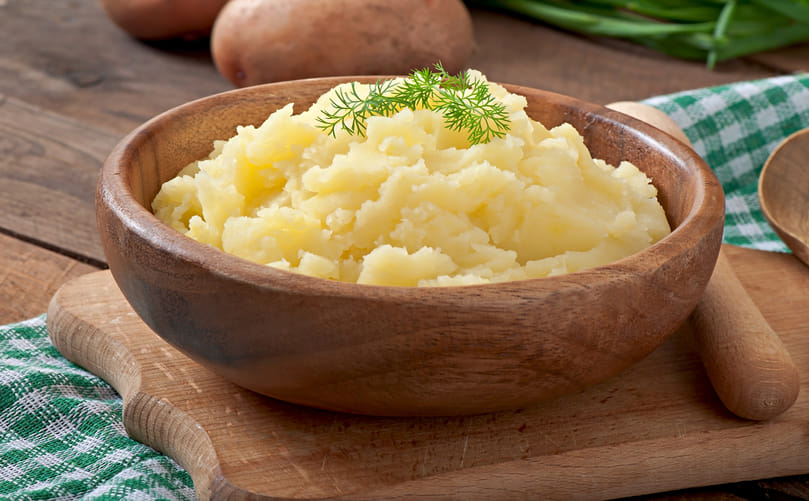
Defining Excellence: Quality Attributes and Sensory Characteristics of Refrigerated Mashed Potatoes
Applications and End-Use Segments of Refrigerated Mashed Potatoes
Refrigerated mashed potatoes are a versatile, ready-to-heat product widely used as a convenient side dish or functional ingredient across multiple food distribution channels. Their chilled, prepared format makes them especially valuable in operations where consistency, speed and labor efficiency are critical.
Retail / Consumer Channel: In the retail segment, refrigerated mashed potatoes are typically packaged in tubs, trays or pouches and sold through chilled or deli sections of supermarkets and hypermarkets. They are commonly used as convenient side dishes for everyday meals, often paired with roasted meats, grilled proteins or included as part of ready-to-heat meal kits. This segment is particularly popular among busy households, dual income families and urban consumers who prefer quick, homestyle meals with minimal preparation effort while still maintaining good sensory quality.
Foodservice and Hospitality: In hotels and restaurants, refrigerated mashed potatoes are widely used for high volume service applications such as banquets, à la carte menus and room service. They help ensure consistent plating quality while significantly reducing the need for skilled labor involved in peeling, boiling and mashing fresh potatoes. In quick service restaurants (QSRs) and fast casual formats, they are incorporated into value meals, bowls or served as standardized side dishes. In catering and event services, they are especially useful due to their portion control, ease of handling and quick reheating characteristics making large scale service more efficient and predictable.
Institutional Catering: In institutional segments such as airlines, transportation services, hospitals, schools, senior care facilities and military or corporate cafeterias, refrigerated mashed potatoes are valued for their standardized quality, ease of reheating and nutritional suitability. In airline catering, they are often pre-portioned to meet strict requirements related to space efficiency, weight reduction and simple onboard regeneration. In healthcare and elder care environments, their soft texture makes them suitable for patients or residents requiring easy-to-eat, nutrient dense food options, while still allowing controlled portioning and consistent nutrition delivery.
Industrial / Further Processing: Refrigerated mashed potatoes are also used as a semi-finished ingredient in industrial food manufacturing. They serve as a base component for ready-to-eat (RTE) meals such as shepherd’s pie, cottage pie, potato topped casseroles and various frozen or chilled meal applications. In this segment, they are supplied in bulk formats such as large pouches or totes and are further processed or assembled into value added products by food manufacturers.
Market Overview: Among all segments, foodservice applications including hotels, restaurants, QSRs and institutional catering typically account for the largest share of global volume in processed potato products. This dominance is driven by strong demand for labor savings, operational efficiency and consistent product quality. At the same time, retail and household consumption is steadily growing, supported by the expansion of chilled prepared foods sections and increasing consumer preference for convenient, ready-to-heat meal solutions.
Market Trends and Consumer Demand in Refrigerated Mashed Potatoes
The broader mashed potatoes category, which includes refrigerated, frozen and dehydrated formats, is experiencing steady global growth, driven by convenience-oriented lifestyles, rapid urbanization and increasing demand for comfort foods. While precise figures for the refrigerated sub-segment are often included within larger processed potato or ready meal market data, overall trends indicate sustained positive momentum across the category.
Global mashed potato related markets are projected to grow at compound annual growth rates (CAGR) of approximately 4–7% through the early 2030s, depending on product scope and regional segmentation. Broader processed potato and convenience food markets are also expanding steadily, supported by increasing consumption of value-added potato products and ready-to-eat meal solutions worldwide.
Key Consumer and Industry Trends Shaping Refrigerated Mashed Potatoes
Convenience and Time Savings: Modern consumers, particularly working professionals and small households increasingly prefer food solutions that reduce preparation time while maintaining a home cooked taste experience. Refrigerated mashed potatoes align strongly with this demand as they require only short reheating before consumption.
Premiumization: There is growing demand for premium variants made with high quality ingredients such as real butter, cream, aged cheese, roasted garlic, herbs or truffle flavors. Consumers are increasingly willing to pay a premium for “restaurant style” or “homestyle” sensory experiences.
Clean Label and Health Perception: Consumers are shifting toward products with simpler ingredient lists, fewer artificial additives and greater transparency in sourcing. Claims such as “made with real potatoes and dairy” are increasingly valued, along with reduced sodium or lighter formulations.
Plant-Based and Dietary Variants: The rise of vegan, lactose free and flexitarian diets is driving development of dairy free mashed potato alternatives using plant-based ingredients such as oat, almond or coconut-based substitutes.
Flavor Innovation: Product innovation is expanding beyond traditional flavors to include global and fusion profiles such as spiced, herb infused, cheese rich or regionally inspired variants.
Sustainability and Waste Reduction: Portion controlled packaging, improved cold chain logistics and efficient production practices are helping reduce food waste across the supply chain aligning with sustainability goals.
E-commerce and Omnichannel Growth: Online grocery platforms and meal kit services are increasing consumer access to chilled prepared foods including refrigerated mashed potatoes supporting category expansion beyond traditional retail channels.
Regional Market Dynamics: In North America and Europe, the category benefits from mature cold chain infrastructure, strong retail penetration and well established chilled ready food sections in supermarkets. In contrast, Asia Pacific and other emerging markets are witnessing faster relative growth, driven by rising disposable incomes, expanding organized retail networks and increasing adoption of Western style convenience foods.
Refrigerated mashed potatoes are increasingly positioned as a fresher, higher quality alternative to dehydrated mashed potato products while still delivering strong convenience benefits. As consumer expectations evolve toward better taste, cleaner labels and greater variety, the category is expected to continue expanding steadily across both retail and foodservice channels.
Comparison of Refrigerated Mashed Potatoes with Other Formats
Refrigerated mashed potatoes occupy a premium position in the convenience food spectrum by delivering a fresh like eating experience while maintaining moderate shelf life. When compared with frozen and dehydrated formats, clear differences emerge in quality, storage requirements, cost and end use suitability.
Taste and Texture: Refrigerated mashed potatoes provide the closest experience to freshly prepared homemade mash with a creamy or fluffy texture, natural potato flavor and rich dairy mouthfeel. When well formulated, they also perform excellently upon reheating with minimal loss in quality. Frozen mashed potatoes generally deliver acceptable taste, but they are more prone to texture issues such as wateriness, graininess or separation due to ice crystal formation during freezing and thawing. Dehydrated formats including flakes and powders can be convenient and consistent, but they are often perceived as less authentic, sometimes becoming pasty or gummy depending on preparation with a milder flavor profile compared to fresh or chilled versions.
Shelf Life: Shelf life varies significantly across formats. Refrigerated mashed potatoes are highly perishable, typically lasting 7–21 days under proper cold storage at 0–4°C with some extended up to 30+ days using advanced preservation technologies. Frozen mashed potatoes offer a much longer shelf life of around 6–12 months or more when stored continuously at freezing temperatures. Dehydrated products provide the longest stability, often 1–2 years or beyond under ambient conditions, making them the most durable option for long-term storage.
Convenience: Refrigerated mashed potatoes are highly convenient as they require only short reheating without thawing making them ready in minutes. Frozen versions are less immediate as they require thawing or longer heating times and improper reheating may result in uneven texture. Dehydrated mashed potatoes are the fastest in terms of preparation simplicity since they only require the addition of hot liquid and mixing making them highly practical for bulk preparation or emergency use.
Storage and Logistics: Refrigerated products require a continuous cold chain with strict temperature control, which increases infrastructure and energy requirements and limits distribution reach. Frozen products also depend on a frozen supply chain but are slightly more stable against minor temperature fluctuations. Dehydrated mashed potatoes are ambient stable requiring no cold storage making them the easiest and most cost effective to store, transport and distribute globally.
Cost: Refrigerated mashed potatoes are generally the most expensive per serving due to raw material quality, processing complexity, packaging and cold chain logistics. Frozen products fall in the middle, benefiting from scale but still requiring freezing infrastructure. Dehydrated formats are the most economical due to lower processing requirements and minimal storage and transport costs.
Quality Perception: Refrigerated mashed potatoes are positioned as premium, “fresh-like” products and are preferred by consumers seeking higher sensory quality. Frozen mashed potatoes are viewed as practical and reliable, especially in foodservice settings. Dehydrated versions are typically seen as budget friendly or institutional products prioritizing convenience over sensory authenticity.
Nutritional Aspects: Refrigerated mashed potatoes generally retain good nutritional quality with minimal processing losses and often include real dairy ingredients. Frozen products may experience some nutrient degradation due to freezing and thawing cycles. Dehydrated products can show greater nutrient loss, particularly for heat sensitive vitamins such as vitamin C due to intensive processing and drying.
Best Suited Applications: Refrigerated mashed potatoes are best suited for retail deli sections, premium foodservice and consumers seeking a balance of freshness and convenience. Frozen mashed potatoes are widely used in foodservice environments with freezer capacity and longer storage needs. Dehydrated formats are most suitable for institutional use, emergency supplies and applications where long shelf life and minimal storage requirements are critical.
Summary of Trade-Offs: Refrigerated mashed potatoes deliver the highest sensory quality and closest resemblance to homemade preparation but require strict cold chain management and have limited shelf life. Frozen products offer a balance between convenience and stability but may compromise texture. Dehydrated products excel in cost efficiency, storage stability and global distribution flexibility but fall behind in delivering authentic taste and mouthfeel. As a result, all three formats coexist in the global market serving different consumer needs and operational requirements.
Sustainability and Environmental Impact of Refrigerated Mashed Potatoes
Refrigerated mashed potatoes present a mixed sustainability profile. While they contribute to higher energy demand due to cold chain requirements, they also offer important opportunities for reducing food waste and improving efficiency in modern food systems.
Energy Consumption in the Cold Chain: A significant environmental impact arises from continuous refrigeration across warehousing, transportation and retail display systems. Cold chain logistics for chilled foods are energy intensive with refrigeration accounting for a substantial share of electricity use in perishable food supply chains. This can contribute notably to greenhouse gas emissions if powered by fossil-based energy sources. However, improvements such as energy efficient refrigeration systems, optimized logistics planning, reduced temperature fluctuations and the use of natural refrigerants like CO₂ or ammonia are helping reduce environmental impact.
Packaging Waste: Packaging is another important sustainability concern. Refrigerated mashed potatoes often use multi-layer plastic trays, films and high barrier materials that are difficult to recycle. As a result, they contribute to plastic waste streams. In response, the industry is increasingly shifting toward recyclable mono-material packaging, reduced plastic designs, lightweight structures and in some cases biodegradable or compostable alternatives. Reusable packaging systems, particularly in foodservice and institutional supply chains are also gaining adoption.
Food Waste Reduction Potential: Despite short shelf life, refrigerated mashed potatoes can contribute to reduced food waste at the consumer level. Their portion-controlled packaging and ready-to-eat format help prevent over preparation of fresh potatoes, which are often wasted in home cooking. However, the limited shelf life also introduces risks of waste at retail and household levels if demand is misaligned or if cold chain failures occur. Effective forecasting, inventory rotation and cold chain integrity are therefore critical to minimizing losses.
Raw Material and Agricultural Impacts: Sustainability also depends on how potatoes are grown and sourced. Practices such as regenerative agriculture, reduced pesticide usage, efficient irrigation and the use of disease-resistant varieties can significantly lower environmental impacts related to water use, soil degradation and chemical inputs. Additionally, improving processing efficiency and maximizing yield from raw tubers helps reduce overall agricultural waste.
Broader Sustainability Opportunities: Future sustainability improvements include the integration of renewable energy sources in cold storage facilities, continued lightweighting of packaging materials and the development of circular economy models such as returnable containers for foodservice applications. Life cycle assessments show that while refrigerated products generally have higher energy demands than dehydrated alternatives, they may offer advantages in terms of reduced preparation waste and improved consumer acceptance depending on the system boundaries considered.
Key Challenges and Limitations in Refrigerated Mashed Potatoes
Despite strong consumer appeal and growing demand, refrigerated mashed potatoes face several structural and operational challenges that limit scalability and competitiveness when compared with frozen and dehydrated alternatives.
Short Shelf Life and High Perishability: Refrigerated mashed potatoes typically have a commercial shelf life of 7–21 days with some formulations extending up to 30+ days when advanced preservation techniques are used. This remains significantly shorter than frozen products (6–12+ months) and dehydrated formats (1–2 years or more at ambient conditions). Because of their high moisture content and nutrient rich composition, they are highly susceptible to microbial growth. Even brief temperature abuse above 5–7°C can accelerate spoilage due to psychrotrophic organisms such as Listeria monocytogenes, lactic acid bacteria, yeasts and molds leading to rapid quality deterioration.
Strict Cold Chain Dependency: A continuous cold chain maintained at 0–4°C is essential from production to final consumption. Any interruption in this chain increases the risk of microbial growth, texture breakdown, syneresis, discoloration and off flavor development. Maintaining such strict temperature control is logistically complex, particularly across long distribution networks or in regions with limited refrigeration infrastructure. In warmer climates or during transport delays, the risk of product degradation increases significantly.
Higher Logistics and Operational Costs: Refrigerated mashed potatoes require refrigerated storage facilities, temperature-controlled transportation and chilled retail display systems. These systems involve higher energy consumption and specialized equipment such as refrigerated trucks, monitored cold rooms and display chillers. As a result, overall operational costs per unit are higher compared to frozen or ambient stable dehydrated products, which can limit pricing flexibility and distribution reach.
Texture and Quality Instability: Maintaining consistent sensory quality throughout shelf life is a major technical challenge. Common issues include syneresis (water separation), starch retrogradation leading to firmness or gumminess upon reheating and oxidation of dairy components that may cause rancid or stale off notes. Ensuring stable texture and flavor over time requires precise formulation and processing control and even minor variations in raw material or storage conditions can affect batch-to-batch consistency.
Raw Material and Supply Chain Variability: Quality and cost of potatoes are influenced by seasonal availability, climate conditions and agricultural risks such as disease outbreaks (e.g., late blight). High dry matter potato varieties preferred for mashed products may not be consistently available across all regions. Additionally, broader factors such as climate change, input cost fluctuations and geopolitical disruptions can impact supply chain stability and pricing.
Competition and Consumer Perception: Refrigerated mashed potatoes compete directly with frozen and dehydrated formats, which offer lower cost, longer shelf life and easier storage. While refrigerated variants are positioned as premium and “fresh like,” their value perception depends heavily on consistent quality. If reheating performance or taste does not meet expectations, consumers may not justify the higher price point compared to more stable alternatives.
Waste Generation Risk: Due to their short shelf life and demand variability, refrigerated mashed potatoes carry a higher risk of retail or household-level waste. Unsold inventory at retail or unused product nearing expiry can contribute to food loss making demand forecasting and supply chain planning critical for minimizing waste and improving sustainability outcomes.
Future Innovations and Emerging Technologies in Refrigerated Mashed Potatoes
Innovation in refrigerated mashed potatoes is primarily driven by the need to extend shelf life, strengthen clean label positioning, improve sustainability and cater to evolving dietary preferences, all while preserving fresh-like sensory quality.
High Pressure Processing (HPP): High Pressure Processing (HPP) is one of the most significant non-thermal preservation technologies being adopted in chilled prepared foods. It applies hydrostatic pressure in the range of 400–600 MPa to packaged products, effectively inactivating vegetative pathogens and spoilage organisms including Listeria monocytogenes. Unlike conventional heat treatments, HPP better preserves fresh flavor, texture, color and nutritional quality. In refrigerated mashed potatoes, this technology can significantly extend chilled shelf life, often by two times or more, while reducing or eliminating the need for synthetic preservatives. As a result, HPP strongly supports clean label product development.
Advanced Preservation Hurdles and Clean Label Systems: Modern formulations increasingly rely on combined “hurdle technology” approaches. These include natural antimicrobials such as cultured dextrose, plant-derived extracts and bacteriocins, alongside optimized Modified Atmosphere Packaging (MAP) and mild thermal treatments. Stabilizers and emulsifiers derived from natural or fermentation-based sources are also being used to replace artificial preservatives. This integrated approach helps maintain microbial safety while aligning with consumer demand for clean label and minimally processed foods.
Plant-Based and Functional Formulations: There is growing innovation in dairy free and plant-based mashed potato variants, using alternatives such as oat, almond, coconut or pea-based ingredients to replace traditional dairy components. Functional enhancements are also gaining importance including fortification with protein, dietary fiber, vitamins or minerals. At the same time, product diversification through global flavor profiles such as spiced, herbed or cheese alternative formulations is expanding consumer choice and market reach.
Smart Packaging and Monitoring Technologies: Packaging innovation is playing a key role in improving safety and supply chain visibility. Time-temperature indicators (TTIs), oxygen scavengers and IoT-enabled sensors are increasingly being integrated into packaging systems to monitor product freshness and cold chain integrity in real time. In addition, consumer focused packaging improvements such as microwave safe materials, anti-fog films and easy open designs are enhancing convenience and usability.
Sustainable Processing and Efficiency Improvements: Sustainability is becoming a central focus in product development. Innovations include energy efficient rapid cooling systems precision mashing technologies that minimize starch damage and enzymatic treatments that improve texture stability while reducing processing intensity. These improvements contribute to lower energy consumption, reduced food waste and improved overall process efficiency.
Future Scope and Industry Outlook: Future developments are expected to further expand the capabilities of refrigerated mashed potatoes, particularly through wider adoption of HPP and other non-thermal technologies. These advances could potentially extend chilled shelf life toward 30–60+ days while maintaining premium sensory quality. Growth in e-commerce, meal kits and ready-to-eat food platforms is likely to increase demand for portion controlled and customizable formats.
In emerging markets, innovation will likely focus on hybrid product systems and adapted formulations designed for less stable cold chain environments. Overall, the category is expected to benefit from continued expansion of the global mashed potato market with projected growth rates of approximately 4–7% across related segments, driven by convenience, premiumization and evolving consumer preferences.