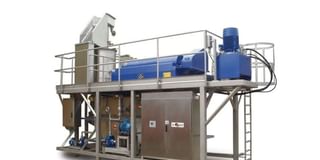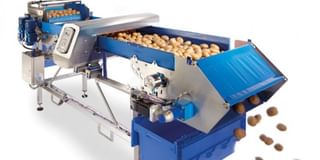

Global Potato Processing Industry: Scale, Growth and Strategic Importance
Potatoes are among the world’s most important staple crops, with global production reaching approximately 390 million metric tons in 2024. Processing transforms raw tubers into high-value, convenient products, significantly increasing their economic value beyond fresh consumption.
The global potato processing market was valued at around $40–43 billion in recent estimates (2023–2025), with projections indicating growth to approximately $56–73 billion by 2030–2034, at a compound annual growth rate (CAGR) of about 5–6%. North America and Europe have high processing rates, often converting 60–80% of their production into processed products. In contrast, major producers such as China (around 15%) and India (around 7%) currently process a smaller share, though this is steadily increasing.
Processing equipment plays a pivotal role in the value chain, effectively bridging production, storage, and final consumption. It directly influences product quality, including uniformity, texture, color, and flavor. It is also essential for ensuring food safety through the control of pathogens and contaminants, improving yield and efficiency by minimizing losses during peeling and cutting, and enhancing sustainability through optimized use of water, energy, and raw materials.
Processed potato products include frozen French fries (the dominant segment in foodservice), chips or crisps (a major snack category), dehydrated flakes and granules (used in convenience foods and as ingredients), starch (for both food and industrial applications), and a growing range of ready-to-eat and health-oriented products.
Advanced processing equipment enables year-round production despite seasonal harvest cycles, supports international trade growth (for example, China emerging as a net exporter of frozen fries), and meets increasing global demand for convenient food driven by urbanization, changing lifestyles, and the expansion of quick-service restaurants (QSRs). Without modern, high-capacity processing lines capable of handling several tons per hour, achieving consistent quality at an industrial scale would not be feasible.
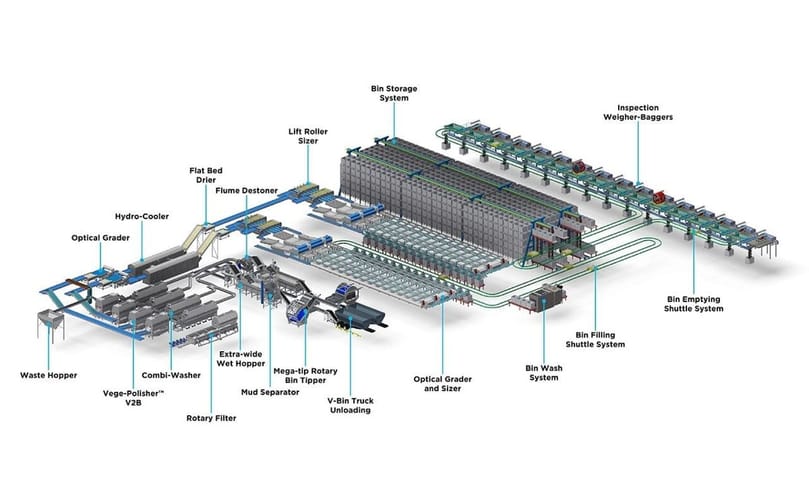
Global Potato Processing Industry: From Farm Harvest to High-Value Food Products
Potato Processing Segments: Technologies, Products, and Market Dynamics
Potato processing equipment is highly specialized based on the end product, as each segment requires distinct raw material characteristics, processing parameters, and quality outcomes.
Frozen potato products—such as French fries, wedges, cubes, and hash browns—represent the largest segment, accounting for roughly 35–40% or more of the global market. This segment relies on precise cutting to ensure uniform size, followed by blanching, partial frying (par-frying), cooling, and Individual Quick Freezing (IQF). These products dominate both foodservice and retail frozen categories, where consistency and texture are critical.
The chips (crisps) and snack segment holds an estimated 30% share and focuses on thin, uniform slicing, controlled frying, and even seasoning distribution. The primary objectives are achieving a crisp texture, minimizing oil absorption, and maintaining consistent flavor. This category also includes baked and low-fat alternatives, reflecting evolving consumer preferences.
Dehydrated potato products—including flakes, granules, powders, and flour—account for approximately 20–25% of the market. Processing typically involves cooking, mashing, drum drying, and milling. These products are widely used in instant mashed potatoes, snack formulations, bakery applications, and as functional ingredients. Their long shelf life and convenience make them highly valuable in both retail and industrial segments.
Potato starch and its derivatives are produced through wet processing techniques, including grinding, separation, purification, and drying. Starch serves as a key ingredient in food applications as a thickener, as well as in non-food industries such as paper, textiles, and adhesives. This segment extends the value of potatoes beyond direct consumption into broader industrial uses.
Emerging and niche segments include ready-to-eat meals, formed products like croquettes, chilled potato items, low-oil or healthier snacks, and fortified or functional products. These often combine elements from traditional processing lines with additional steps such as forming, coating, and advanced packaging.
Overall, frozen and snack segments drive the majority of volume and technological innovation, while starch and dehydrated products support a wide range of industrial and ingredient-based applications. Each segment differs in capital investment, energy and water requirements, and raw potato specifications—for example, high dry matter and low reducing sugars are preferred for fries and chips to ensure optimal texture and color.
End-to-End Potato Processing Line: Integrated Flow and Operational Efficiency
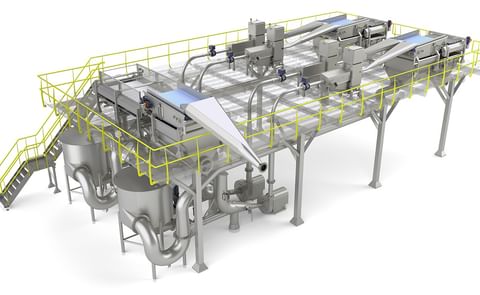
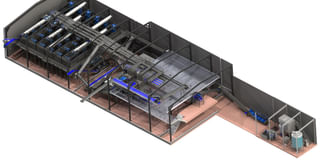
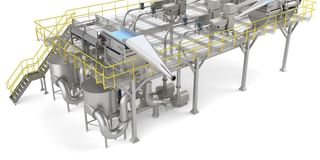
A complete potato processing line integrates multiple stages to achieve high throughput—ranging from hundreds of kilograms to several tons per hour—while minimizing waste and ensuring consistent product quality. Seamless synchronization between equipment, enabled by conveyors, sensors, and automated control systems, is critical to prevent bottlenecks, maintain uniform processing conditions, and maximize yield.
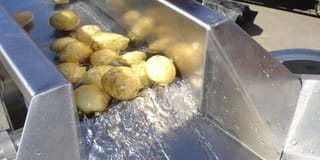
The process typically begins with raw intake and receiving, where potatoes are unloaded, destoned, and subjected to initial inspection before short-term storage or direct processing. This is followed by washing and cleaning, which removes soil, stones, and field debris to protect downstream equipment and maintain hygiene standards.
Peeling is the next critical step and may be performed using steam, abrasive, or knife systems, with efficiency here directly impacting yield and waste levels. After peeling, trimming, sorting, and grading operations remove defects and classify potatoes based on size and quality to ensure uniform processing.
Cutting or slicing is then carried out with high precision, depending on the final product—strips for fries or thin slices for chips. Blanching follows, using hot water or steam to inactivate enzymes, reduce reducing sugars (important for color control and acrylamide mitigation), and partially cook the product.
Drying or cooling removes excess surface moisture, which is particularly important before frying to improve oil absorption control and product texture. Frying or cooking is typically performed in continuous systems with advanced oil management, although alternative cooking methods may be used for healthier product lines.
For flavored products, seasoning or coating systems ensure even distribution of spices, batters, or functional coatings. Depending on the product, this is followed by freezing—commonly Individual Quick Freezing (IQF) for fries and specialty items—or further drying in the case of dehydrated products.
Final stages include inspection using optical sorters and metal detectors to ensure food safety and quality, followed by automated weighing and packaging. Packaging systems may incorporate modified atmosphere packaging (MAP) or frozen packaging technologies to extend shelf life and preserve product integrity.
Processing lines are tailored to specific products. Chips processing emphasizes ultra-thin slicing, frying, de-oiling, and seasoning, while fries production involves longer cuts, blanching, par-frying, and freezing. Dehydrated products such as flakes require cooking, mashing, and drum drying instead of frying.
The interconnection between stages is crucial. Inefficient upstream operations, such as inadequate cleaning or peeling, can increase defects and waste downstream. Blanching conditions significantly influence frying performance, affecting color and oil uptake. Likewise, precise temperature control throughout the process is essential for managing acrylamide formation, achieving the desired texture, and ensuring shelf life.
Modern processing lines are increasingly automated using PLC and SCADA systems, enabling real-time monitoring, synchronization, and data logging. This allows processors to optimize performance, maintain consistent quality, and respond quickly to process variations at an industrial scale.
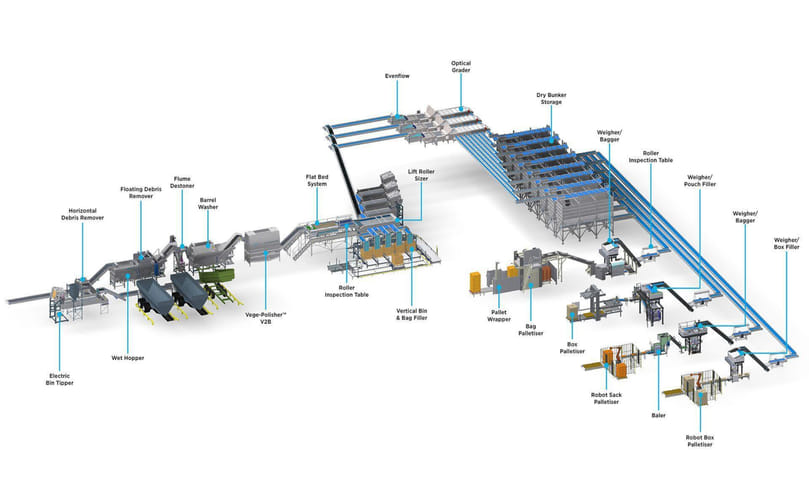
Full Potato Processing Plant: End-to-End Line Integration
Core Equipment Categories in Potato Processing: Functions and Quality Impact
Potato processing lines consist of several interconnected equipment categories, each playing a critical role in determining product quality, operational efficiency, and overall yield. A deeper understanding of these systems helps optimize performance across fresh and processed potato applications.
Washing and Cleaning Systems: This category includes drum washers, spray washers, bubble washers, and flotation-based systems, often integrated with destoners to remove stones and heavy debris. Additional components such as brushes or air knives may be used to enhance cleaning. These systems are essential for removing soil, contaminants, and foreign materials before further processing. Effective washing prevents damage to downstream equipment, reduces contamination risks, and minimizes defects. Advanced systems also improve water efficiency through recycling and filtration technologies.
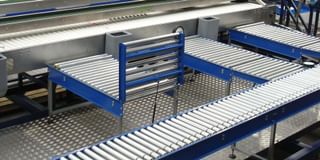
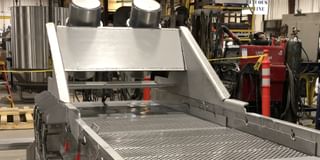
Sorting and Grading Equipment: Sorting and grading systems include size graders, vibratory conveyors, and advanced optical sorters that use cameras, lasers, near-infrared (NIR), and AI technologies to detect defects such as greening, rot, size irregularities, and shape deviations. Industry leaders like TOMRA and Key Technology are known for their innovations in this space. These systems improve yield by removing foreign materials and defective tubers early in the process, ensuring uniformity, enhancing food safety, and delivering consistent final product quality.
Peeling Machines: Peeling technologies include steam peelers, abrasive (roller) peelers, and, less commonly, knife peelers. Steam peeling uses high-pressure steam followed by rapid pressure release to loosen and remove the skin with minimal flesh loss, making it highly efficient and preferred for products like fries and flakes. Abrasive peelers rely on mechanical friction, which can result in higher peel loss—sometimes ranging from 15% to 40% depending on variety and conditions—and are often used in chip processing. Peeling efficiency has a direct impact on yield and profitability, making it one of the most critical stages in processing. Post-peeling brushing or polishing further improves surface quality.
Cutting and Slicing Systems: Cutting systems include hydro-cutters, which use high-pressure water, and mechanical knife systems for producing uniform slices, strips, or cubes. These systems are adjustable to meet different product specifications. Uniform cutting is essential for consistent blanching and frying, ensuring even texture, reducing breakage, and controlling oil absorption.
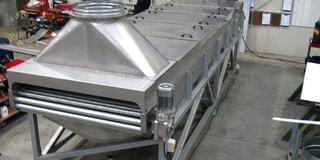
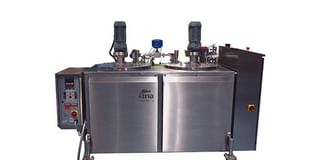
Blanchers and Dryers: Blanching systems use hot water or steam to remove excess sugars, inactivate enzymes, and prepare potatoes for frying or freezing. This step is crucial for controlling product color and reducing the formation of undesirable compounds such as acrylamide during frying. Dryers, including air or drum systems, remove surface moisture after blanching. Together, these processes significantly influence texture, oil uptake, and final product quality.
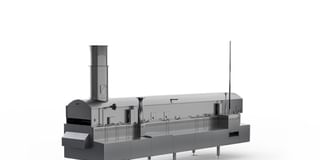
Fryers and Cooking Systems: Continuous frying systems immerse potato products in hot oil under controlled conditions. Modern fryers are equipped with advanced temperature control, oil filtration, and heat recovery systems. These systems determine key product attributes such as crispness, flavor, oil content, and shelf life. Effective oil management extends oil usability and maintains consistent product quality.
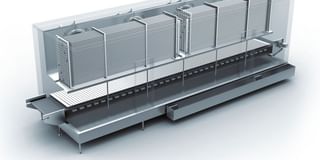
Freezing Systems (IQF): Individual Quick Freezing (IQF) systems, such as tunnel or spiral freezers, rapidly freeze potato products to preserve texture and quality. This process prevents clumping and ensures that products maintain their structure during storage and distribution, which is especially important for frozen fries and similar products.
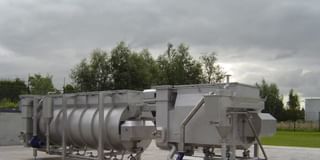
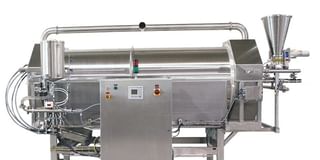
Seasoning and Coating Equipment: Seasoning systems, including tumblers, rotating drums, and electrostatic applicators, ensure uniform distribution of salt, flavors, and coatings. This stage directly affects taste, visual appeal, and consumer acceptance, making consistency a key requirement.
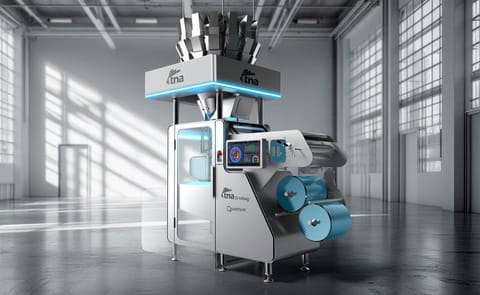
Packaging and Weighing Systems: Final-stage equipment includes multi-head weighers, form-fill-seal machines, checkweighers, metal detectors, and modified atmosphere packaging (MAP) systems. These technologies ensure accurate portioning, product safety, extended shelf life, and compliance with regulatory standards. They also support traceability throughout the supply chain.
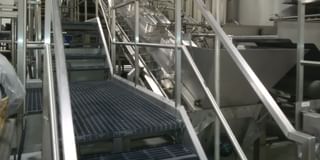
Overall, each equipment category contributes to the efficiency and effectiveness of the processing line. Modern systems emphasize hygienic stainless steel construction, energy efficiency, and seamless integration with automation technologies to deliver consistent, high-quality potato products at scale.
Technology & Automation Trends in Modern Potato Processing
Modern potato processing plants are rapidly transitioning from manual or semi-automated operations to highly integrated, data-driven smart factories. These advancements are improving efficiency, product consistency, and overall operational performance while reducing labor dependency.
Automation and Robotics: Automation now spans the entire processing line, from peeling and cutting to sorting and packaging. Advanced robotic systems equipped with 3D vision and soft grippers can handle delicate potato products with precision, minimizing damage. These systems address labor shortages while increasing throughput and reducing human error, enabling continuous and reliable production.
AI and Optical Sorting/Grading: Artificial intelligence has significantly enhanced sorting and grading processes. Modern systems use cameras, lasers, near-infrared (NIR), and hyperspectral imaging to detect defects such as discoloration, rot, size variation, and internal quality issues in real time. AI-driven controls can automatically adjust processing parameters—for example, optimizing peeling depth based on visual feedback—resulting in improved yield, reduced waste, and consistent product quality.
IoT and Digital Integration: The integration of IoT technologies allows real-time monitoring of critical parameters such as temperature, moisture levels, oil quality, and equipment performance. PLC and SCADA systems, combined with IoT sensors, enable data-driven decision-making and predictive maintenance, significantly reducing unplanned downtime. Digital twin technology is also emerging, allowing processors to simulate and optimize production processes before implementing changes on the factory floor.
Pulsed Electric Field (PEF) Technology: Pulsed Electric Field (PEF) technology is a major innovation in potato processing. It uses short bursts of electrical energy to create microscopic pores in potato cell walls without applying heat. This facilitates easier cutting and slicing, producing smoother surfaces and reducing breakage. PEF also lowers oil absorption during frying, reduces energy and water consumption compared to conventional thermal methods, and improves overall yield by minimizing starch loss and waste. Its adoption is increasing, particularly in snack and French fry production lines.
Other Emerging Innovations: Additional advancements include infrared and microwave-assisted drying technologies, which improve drying efficiency and energy use. Predictive analytics and machine learning are being used for quality control, anomaly detection, and process optimization. Greater integration across processing stages shortens feedback loops and enhances responsiveness, aligning operations with Industry 4.0 principles.
Overall, these technological advancements are driving higher efficiency, improved product standardization, increased yield, and better consistency. They also reduce reliance on manual labor and lower operational costs. While adoption is currently highest in North America and Europe, these technologies are rapidly gaining traction worldwide as their return on investment becomes more evident.

AI in Potato Processing: Intelligent Sorting, Grading and Process Optimization
Food Safety & Hygiene in Potato Processing: Standards, Systems and Compliance
Food safety is a critical requirement in potato processing due to risks associated with microbial contamination, foreign materials, chemical residues, and physical hazards. Modern processing facilities are designed and operated in alignment with global food safety standards to ensure product quality, consumer protection, and regulatory compliance.
Hygienic Equipment Design Processing equipment is constructed using food-grade stainless steel, typically SUS304 or SUS316, to ensure corrosion resistance, durability, and ease of cleaning. Hygienic design principles include smooth welds, sloped surfaces to prevent water accumulation, and sanitary fittings that eliminate dead zones where contaminants could accumulate. Quick-release components and open-frame designs further improve accessibility for inspection and cleaning.
Clean-in-Place (CIP) Systems: Clean-in-Place (CIP) systems enable automated cleaning of pipelines, tanks, blanchers, and fryers without requiring disassembly. These systems operate through controlled cycles of water rinsing, detergent application, and sanitization. CIP ensures consistent and thorough cleaning while reducing downtime, labor requirements, and the risk of human error.
Regulatory Compliance and Standards: Food safety management in potato processing is built around globally recognized frameworks such as HACCP (Hazard Analysis and Critical Control Points), which identifies and manages critical control points throughout the process. Other widely followed standards include ISO 22000, Safe Quality Food Institute (SQF), and Good Manufacturing Practices (GMP) enforced by regulatory bodies such as the U.S. Food and Drug Administration.
Critical control points (CCPs) in potato processing often include metal detection, frying temperature (to control pathogens and reduce acrylamide formation), and blanching conditions. PLC-based systems continuously monitor and record these parameters, ensuring traceability and simplifying audits.
Additional Food Safety Measures: Advanced inspection systems, including optical sorters, metal detectors, and X-ray units, are used to remove foreign materials early in the process. Preventive maintenance and regular calibration of equipment ensure consistent performance and compliance. Facility design also incorporates zoning strategies that separate raw and processed areas to prevent cross-contamination.
Employee hygiene practices, supported by structured training programs and Sanitation Standard Operating Procedures (SSOPs), are equally important in maintaining a safe processing environment.
Overall, these food safety and hygiene practices minimize the risk of contamination and product recalls, protect consumer health, and support compliance with stringent international trade requirements.
Energy, Water & Sustainability in Potato Processing: Driving Efficiency and Circularity
Potato processing is inherently energy- and water-intensive, with major consumption occurring during washing, peeling, blanching, frying, drying, and freezing operations. As a result, sustainability has become a central focus, with processors adopting technologies and practices that improve efficiency while reducing environmental impact.
Water Management: Modern processing facilities prioritize water conservation through advanced recycling and filtration systems. Process water is treated and reused across multiple stages, significantly reducing freshwater consumption. Technologies such as sedimentation, filtration, and separation systems also enable the recovery of starch and organic solids from wastewater. These byproducts can be repurposed for animal feed, biogas production, or industrial use, lowering both waste generation and disposal costs while reducing environmental impact.
Energy Efficiency and Heat Recovery: Energy optimization is a key sustainability driver in potato processing. Heat recovery systems capture energy from fryer exhaust gases and reuse it to preheat water or supply energy to blanchers and dryers. This can reduce overall energy demand by approximately 20–30% or more, depending on system design. Additional measures such as steam recovery, condensate reuse, and closed-loop thermal systems further reduce fuel consumption and carbon emissions. Emerging technologies like pulsed electric field (PEF) processing also contribute by lowering thermal energy requirements during cutting and frying preparation stages.
Waste Reduction and Byproduct Valorization: Processing generates byproducts such as peels, trimmings, and starch-rich residues. Instead of being discarded, these materials are increasingly converted into valuable outputs such as animal feed, bioenergy (biogas), or food ingredients. Starch recovery from wastewater streams further enhances resource efficiency. Improved frying control and technologies like PEF can also reduce oil absorption, lowering oil consumption and minimizing waste oil generation.
Broader Sustainability Impacts: Sustainability efforts extend beyond individual processes to overall plant operations. Many processors are investing in renewable energy sources, energy-efficient equipment, and environmentally friendly packaging solutions. These initiatives not only reduce greenhouse gas emissions but also align with global sustainability goals and regulatory requirements.
Overall, sustainability in potato processing is no longer optional—it is a competitive advantage. By reducing resource consumption, minimizing waste, and improving operational efficiency, processors can achieve both environmental and economic benefits while meeting the expectations of regulators, customers, and consumers.
Customization & Scalability in Potato Processing: Flexible Solutions for Every Operation Size
Potato processing lines are not one-size-fits-all. They are designed to adapt to production capacity, product mix, raw material variability, and regional requirements, ensuring flexibility and long-term efficiency.
Scalability Options: Processing systems range from small, semi-automatic units handling approximately 30–500 kg per hour—ideal for startups or regional markets—to large industrial lines processing several tons per hour. Modern designs are typically modular, allowing processors to expand capacity in phases. Additional modules for washing, sorting, frying, or freezing can be integrated without replacing the entire line, enabling smooth growth as demand increases.
Customization Factors: Equipment is tailored based on multiple variables, including potato variety (size, shape, dry matter content), intended end product (such as fries, chips, or flakes), and local operating conditions. Factors like water and energy availability, labor costs, and regulatory requirements also influence system design. Features such as adjustable cutting systems, variable speed controls, and multi-product capabilities provide operational flexibility and help maintain consistent product quality across different processing conditions.
Turnkey and Modular Solutions: Many equipment suppliers offer turnkey solutions that integrate all processing stages into a cohesive system, simplifying installation and operation. At the same time, modular configurations allow processors to upgrade specific sections—such as sorting, frying, or freezing—without disrupting the entire line. This approach is particularly beneficial for emerging markets scaling up operations, as well as for established processors introducing new product lines or technologies.
Benefits of Customization and Scalability: Customized and scalable systems reduce initial investment risk while enabling faster return on investment. They provide the flexibility to adapt to changing market demands, such as the introduction of new product formats or compliance with evolving export standards. Additionally, they help future-proof operations by allowing continuous upgrades and technological integration over time.
Overall, customization and scalability ensure that potato processing lines remain efficient, competitive, and adaptable, regardless of plant size, production goals, or geographic location.
Raw Material Compatibility in Potato Processing: Ensuring Quality and Efficiency
Potato processing equipment must be capable of handling significant variability in raw tubers, as not all potato types perform equally well in industrial processing lines. Key factors influencing compatibility include variety, size and shape, dry matter content (specific gravity), reducing sugar levels, and changes induced by storage conditions.
Processing varieties such as Russet Burbank and Shepody for French fries, and Atlantic and Lady Rosetta for chips, are typically preferred due to their high dry matter content, often exceeding 20–24% starch. This contributes to better processing yield, improved texture, and reduced oil absorption. Low levels of reducing sugars, such as glucose and fructose, are also critical to prevent excessive browning and the formation of undesirable compounds like acrylamide during frying.
To accommodate raw material variability, modern processing equipment incorporates adjustable parameters. These include variable peeling intensity, flexible cutter configurations, and controlled blanching time and temperature, as well as precise frying conditions. Such adaptability allows processors to maintain consistent product quality despite variations in raw material characteristics.
Regional and seasonal differences further influence raw material behavior. For example, potatoes stored at low temperatures may accumulate higher levels of reducing sugars, requiring pre-processing steps such as reconditioning or blending with other lots. Advanced optical sorters and sensor-based systems, including near-infrared (NIR) technology, are used to assess incoming batches for specific gravity, defects, and internal composition. This enables real-time process adjustments and improved consistency.
Uniformity in tuber size and shape is another important factor. Consistent raw material improves efficiency in peeling and cutting operations, while irregular shapes tend to increase waste and reduce processing efficiency.
Overall, raw material compatibility has a direct impact on yield, product quality, and production costs. Poor alignment between raw material characteristics and processing conditions can result in higher peel losses, uneven frying, off-color products, and reduced shelf life. To mitigate these risks, processors often establish strict incoming quality control protocols and contract specific potato varieties suited to their processing requirements.
Maintenance & Operational Efficiency: Maximizing Uptime and Reliability in Potato Processing
Continuous, high-capacity potato processing operations often running 24/7 require exceptional reliability, as unplanned downtime can result in significant financial losses. Modern equipment is therefore designed with a strong focus on durability, accessibility, and ease of maintenance to ensure consistent performance and minimal interruptions.
Hygienic and open-frame designs allow faster cleaning and inspection, while features such as tool-free access and integrated Clean-in-Place (CIP) systems reduce maintenance time and labor requirements. These design elements not only improve operational efficiency but also support food safety compliance.
Predictive maintenance has become a key advancement in improving reliability. IoT-enabled sensors continuously monitor parameters such as vibration, temperature, and equipment performance. By analyzing this data, potential failures can be identified in advance, allowing maintenance to be scheduled proactively and reducing the risk of unexpected breakdowns.
In addition to predictive approaches, well-structured preventive maintenance schedules remain essential. Regular inspection and timely replacement of wear components such as bearings, brushes, belts, and filters help maintain optimal performance. Easy access to spare parts, especially from globally established manufacturers, further minimizes downtime.
Operator training also plays a crucial role. Skilled personnel, supported by digital manuals and real-time monitoring systems, can quickly identify issues and maintain efficient operation. When these best practices are consistently applied, modern processing lines can achieve equipment availability rates exceeding 95%.
Overall, effective maintenance and operational strategies directly enhance return on investment by maximizing throughput, ensuring consistent product quality, and reducing labor and repair costs.
Key Global Equipment Manufacturers & Potato Processing Equipment Market Overview
The global potato processing equipment industry is led by several established manufacturers that specialize in end-to-end solutions, including washing, peeling, cutting, frying, sorting, and packaging systems. These companies play a critical role in driving automation, efficiency, and product quality across the value chain.
Leading Manufacturers: TOMRA Food is a global leader in optical sorting, grading, and steam peeling technologies. The company is known for its advanced sensor-based and AI-driven systems that improve yield, reduce waste, and enhance product consistency in high-capacity processing lines.
Kiremko (Netherlands) specializes in turnkey processing lines for French fries, chips, flakes, and snack products. It is widely recognized for integrated systems covering peeling, cutting, and frying, often developed in collaboration with industry partners such as Idaho Steel.
Key Technology, part of Duravant, provides advanced optical sorting systems, conveyors, grading equipment, and automatic defect removal (ADR) solutions, particularly for strip and chip applications.
Heat and Control focuses on complete processing lines, including frying, seasoning, conveying, and packaging systems. The company is especially known for innovations in oil management and snack food processing efficiency.
Bühler Group delivers thermal processing, drying, and extrusion technologies, with strong applications in dehydrated potato products and starch-based processing systems.
Other notable manufacturers include companies such as Tummers, Rosenqvists, and several regional equipment suppliers that cater to specific market needs and capacities.
Processing Equipment Market Overview: The global potato processing equipment market is closely linked to the broader potato processing industry, which was valued at approximately $41–49 billion in 2025. It is projected to reach around $66–73 billion by 2032–2034, growing at a CAGR of roughly 5.5–6%.
Within this ecosystem, equipment represents a significant capital investment segment, driven by increasing automation, expansion of processing capacity in Asia, and growing demand for sustainability-focused upgrades. Developed regions such as North America and Europe lead in the adoption of high-end, technologically advanced systems, while emerging markets contribute significantly to volume-driven growth and capacity expansion.
Overall, the industry continues to evolve toward highly automated, energy-efficient, and integrated processing solutions, making equipment manufacturers central to the future of global potato processing.
Regional Differences in Potato Processing Equipment: Technology, Scale, and Market Adoption
Potato processing equipment varies significantly across regions, driven by differences in industrial maturity, investment capacity, raw material systems, and market demand.
North America & Europe: These regions represent the most advanced segment of the global potato processing industry. Processing plants are typically large-scale, fully automated, and designed for continuous operation. Technologies such as AI-powered optical sorting, advanced steam peeling, pulsed electric field (PEF) systems, heat recovery units, and closed-loop water recycling are widely adopted. Strong emphasis is placed on premium product quality, traceability, food safety, and sustainability compliance. Countries such as Netherlands and Belgium are global leaders in French fry processing technology exports, while the United States has a strong focus on frozen fries, chips, and snack food production.
Asia-Pacific (China, India, and Others): The Asia-Pacific region is experiencing rapid growth in potato processing infrastructure. A mix of imported high-end equipment and locally manufactured semi-automated systems is commonly used. Countries like China process around 15% of their total potato output, while India processes approximately 7%, with significant potential for expansion. Early-stage investments often focus on cost-effective, modular, and scalable systems that can be upgraded over time as demand and capital availability increase.
Other Emerging Markets: In regions such as parts of Africa, Latin America, and Southeast Asia, processing infrastructure is still developing. Facilities often begin with smaller-scale or semi-automated systems due to constraints such as limited capital, variable raw material quality, and evolving supply chains. As markets mature, these regions gradually transition toward more automated and integrated processing lines.
Overall Regional Trend: Developed regions such as Europe and North America lead in technological innovation, efficiency, and sustainability integration, while emerging regions prioritize affordability, scalability, and adaptability. Over time, global convergence is expected as advanced technologies become more accessible and economically viable worldwide.
Challenges in Potato Processing Equipment: Operational, Technical, and Market Constraints
The potato processing industry faces several ongoing challenges that affect efficiency, cost, and product consistency. These challenges arise from raw material variability, resource demands, workforce limitations, and increasing regulatory pressures.
Raw Material Variability: Potato quality can vary significantly due to seasonal changes, varietal differences, and storage conditions. These variations affect parameters such as dry matter content, sugar levels, size, and texture, requiring continuous adjustments in processing settings. As a result, maintaining consistent product quality becomes more complex and system-dependent.
High Resource Intensity: Potato processing is inherently resource-intensive, particularly in operations such as washing, peeling, frying, and drying. These stages require substantial energy and water inputs, while also generating wastewater that must be treated or recycled. Rising utility costs and stricter environmental expectations further increase operational pressure.
Labor Shortages and Skill Requirements: While automation is reducing manual labor needs, it has increased demand for technically skilled operators and maintenance personnel. Advanced processing lines require expertise in automation systems, sensors, and control software, creating a skills gap in many regions.
Maintenance and Downtime Issues: Equipment reliability is critical in continuous processing environments. In remote locations or facilities with older infrastructure, maintenance challenges and delays in spare parts availability can lead to costly downtime. Wear-and-tear components in wet and abrasive conditions also require frequent servicing.
Regulatory Compliance and Sustainability Pressures: Processors must comply with increasingly strict food safety, environmental, and sustainability regulations. These include limits on wastewater discharge, energy efficiency targets, and carbon reduction goals. Meeting these standards often requires significant upgrades in equipment and process design.
High Capital Investment and Technology Gaps: Advanced processing lines with automation, AI, and integrated systems require high initial investment, which can be a barrier for small and medium enterprises. In developing regions, technology gaps and limited access to financing further slow adoption of modern equipment.
External Supply Chain and Climate Risks: Disruptions in supply chains and climate-related impacts on potato production—such as droughts, temperature fluctuations, and yield variability—add further uncertainty. These factors directly influence raw material availability and quality, increasing pressure on processing systems to remain flexible and resilient.
Overall, these challenges highlight the need for adaptable, efficient, and resilient processing systems capable of maintaining performance under variable conditions while meeting modern economic and environmental expectations.
Future Outlook of Potato Processing Equipment: Smart, Sustainable, and Innovation-Driven Growth
The future of potato processing is moving toward highly digitalized, sustainable, and innovation-led systems that integrate advanced technologies across the entire value chain. Processing facilities are expected to evolve into fully connected smart factories with improved efficiency, flexibility, and environmental performance.
Deeper Digitalization and Smart Manufacturing: The industry is rapidly adopting technologies such as artificial intelligence, the Internet of Things (IoT), digital twins, and predictive analytics. These tools enable real-time monitoring, process optimization, and virtual simulation of production lines. Predictive maintenance and data-driven decision-making will further reduce downtime and improve operational efficiency across processing plants.
Sustainability and Circular Processing Models: Sustainability will remain a central driver of innovation. Future systems will focus on circular economy principles, including efficient water and energy use, wastewater recycling, and byproduct valorization. Technologies that convert processing waste into valuable outputs—such as animal feed, biogas, or industrial starch—will become increasingly important. Energy-efficient equipment and low-emission processing systems will also support global climate targets.
Product Innovation and Health-Focused Processing: Growing consumer demand for healthier food products is driving innovation in processing techniques. Future systems will support the production of low-oil snacks, reduced-fat fries, and functional or fortified potato-based products. Technologies aimed at reducing acrylamide formation and improving nutritional profiles will become standard in advanced processing lines.
Expansion of Advanced Processing Technologies: Pulsed electric field (PEF) technology is expected to see wider adoption due to its ability to improve cutting efficiency, reduce oil absorption, and enhance yield. Combined with AI-driven process control, it will contribute to higher product quality and lower resource consumption.
Automation, Robotics, and Traceability: Automation and robotics will continue to address labor shortages while increasing production consistency. Advanced robotic systems will handle sorting, packaging, and quality inspection tasks with greater precision. At the same time, traceability solutions such as blockchain-based systems will strengthen transparency, enabling compliance with regulatory requirements and increasing consumer trust.
Global Expansion and Market Development: Emerging markets will continue to expand processing capacity through modular and scalable systems, while established regions will focus on upgrading to fully integrated smart factories. Stronger linkages between farmers and processors will improve raw material quality and supply stability, supported by the development of climate-resilient potato varieties.
Overall Industry Direction: The potato processing equipment industry is moving toward systems that deliver higher efficiency, reduced environmental impact, and improved product quality. As global demand for convenient, safe, and nutritious potato-based foods increases, future equipment will play a key role in balancing productivity, sustainability, and innovation across the entire value chain.