
Chips and Snacks: A Growing Segment of Global Convenience Foods
Chips and snacks represent one of the most widely consumed categories in the global food industry and are defined as ready-to-eat, convenient food products that are typically consumed between main meals. These products are mainly designed to deliver taste, convenience, and quick energy, which makes them highly popular across all age groups.
In modern food culture, snacking has evolved from an occasional eating habit into a global lifestyle behavior. Factors such as busy work schedules, urbanization, increased screen-based entertainment like television and gaming, travel lifestyles, and the widespread availability of packaged foods have significantly contributed to the rise in snack consumption worldwide.
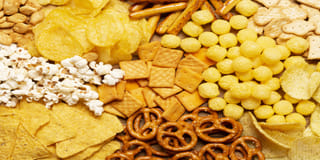
Today, snacks are no longer viewed only as “junk food,” as the category has expanded and diversified considerably. It now includes traditional fried snacks, industrial potato chips, baked and air-fried products, as well as protein-rich and health-oriented snack options that target more nutrition-conscious consumers.
The global snack industry is increasingly shaped by consumer demand for convenience, flavor innovation and healthier alternatives. As a result, it has become one of the fastest-growing and most dynamic segments within the global food processing sector.
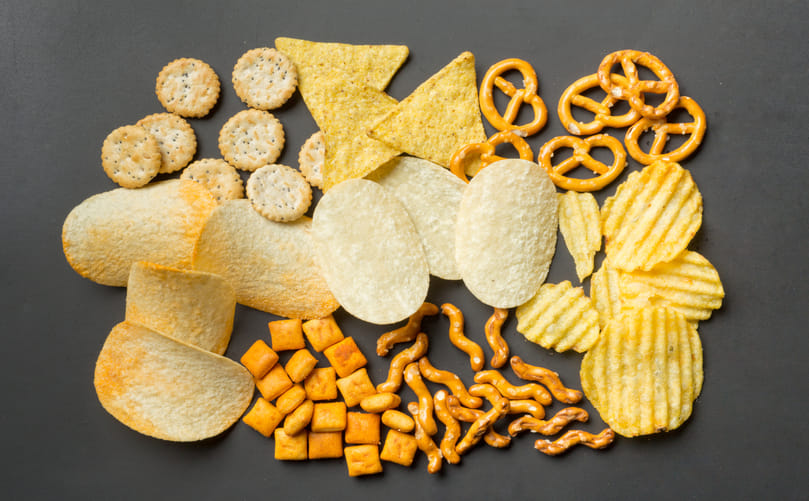
Ready-to-Eat Chips and Snacks: A Fast-Growing Global Food Segment
History and Evolution of Chips and Snacks: From Traditional Origins to Global Industrial Growth
The history of chips traces back to the mid-19th century with the accidental creation of potato chips in 1853 in Saratoga Springs, New York. A chef named George Crum is widely credited with inventing thin, crispy fried potato slices after a customer complained about thick fries. These “Saratoga chips” later evolved into what we now know as modern potato chips.
Initially, chips were served only in restaurants and small local eateries. However, in the early 20th century, they began transitioning into packaged food products, driven by industrial advancements such as mechanical peelers, continuous frying systems, and improved packaging technologies that helped extend shelf life and maintain crispiness.
Traditional snacks, however, existed long before the emergence of industrial chips and were deeply rooted in regional food cultures. Across the world, different societies developed their own snack traditions. In India, for example, foods such as namkeen, sev, and murukku were widely prepared. In Mexico, corn-based tortilla snacks were popular, while in Europe, roasted nuts and bread-based crisps were commonly consumed.
With industrialization, snack production gradually shifted from home-based and artisanal preparation to large-scale manufacturing systems. This transformation led to the rise of global snack brands, standardized product quality, and widespread distribution networks.
Today, the snack industry represents a fusion of traditional heritage foods, advanced food processing technologies, and continuous global flavor innovation driven by evolving consumer preferences and branding systems.
Types of Chips and Snacks: A Comprehensive Classification Based on Ingredients and Processing Methods
The snack industry is highly diversified, with multiple product categories based on raw materials, formulation, and processing technologies.
Potato-based snacks: Potato chips are the most popular category, made from thin slices of potatoes that are fried or baked until crisp. They are known for their light texture, crispiness, and wide range of flavors.
Corn-based snacks: Corn snacks are made from cornmeal or maize flour and include products such as tortilla chips, nachos, and corn puffs. These are widely consumed in North and Latin American markets and are also gaining global popularity.
Extruded snacks: These snacks are produced using high-pressure extrusion technology, where dough made from grains or cereals is shaped into forms such as curls, balls, rings, or sticks. Examples include cheese balls, curls, and puffed snacks.
Popped snacks: Popped snacks are produced by applying heat, pressure, or air expansion to grains such as rice, sorghum, or corn. Examples include popped rice snacks and popcorn-based products, which are light and low-density.
Baked and air-fried snacks: These snacks are prepared using minimal oil and are considered healthier alternatives to traditional fried products. They are increasingly popular due to rising health awareness and demand for low-fat options.
Protein and legume-based snacks: Made from lentils, chickpeas, peas, beans, and other pulses, these snacks are high in protein and dietary fiber. They are widely used in health-focused and functional snack formulations.
Seed-based snacks: These include snacks made from pumpkin seeds, sunflower seeds, flax seeds, and mixed seed blends. They are nutrient-dense and often positioned as premium health snacks.
Meat-based snacks: These snacks are made from processed meat products such as jerky, sausages, dried chicken strips, and beef-based snacks. They are high in protein and widely consumed in Western markets and fitness-oriented diets.
Traditional snacks: These include culturally rooted snacks such as sev, mixtures, roasted pulses, banana chips, and various regional fried foods that continue to maintain strong demand in local and traditional markets.
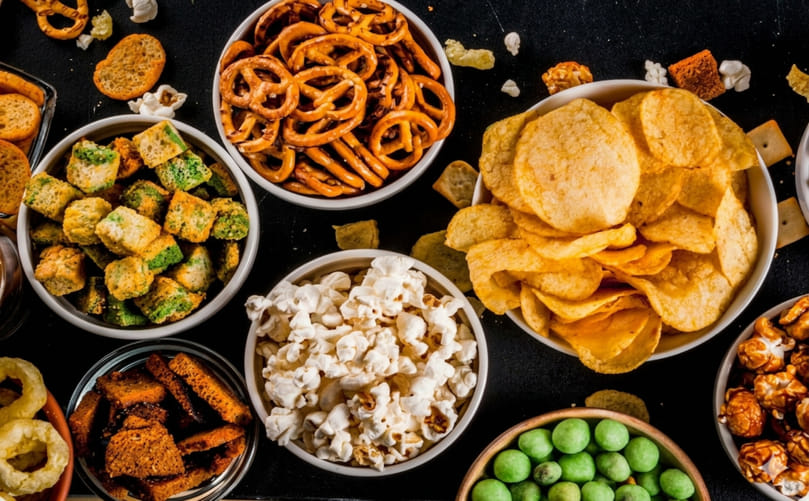
Diverse Types of Chips and Snacks in the Global Food Industry
Raw Materials Used in Snack Production: Key Ingredients Shaping Quality, Texture, and Nutrition
Raw materials play a crucial role in determining the texture, flavor, nutritional value, shelf life and overall quality of snack products. The selection and combination of ingredients directly influence processing behavior and consumer acceptability.
Potatoes: Potatoes are the primary raw material for potato chips due to their high starch content, low sugar levels, and good dry matter. These characteristics help achieve a crisp texture, uniform frying, and desirable golden color. Specific varieties are often selected for processing suitability and consistent slice quality.
Corn (Maize): Corn is widely used in extruded snacks, tortilla chips, and puffed products. It provides structural integrity, crunchiness, and acts as a neutral base that easily absorbs seasonings and flavor coatings. Different milling grades of maize flour are used depending on the product type.
Rice and Wheat: Rice and wheat are commonly used in puffed snacks, baked chips, and expanded products. Rice contributes to a light, airy texture, while wheat provides elasticity and structure in dough-based snack systems. They are also widely used in multi-grain snack formulations.
Pulses and Legumes: Chickpeas, lentils, peas, and beans are increasingly important in modern snack manufacturing. They are rich in protein, fiber, and micronutrients, making them ideal for health-oriented and functional snacks. Their use also improves satiety and nutritional density.
Edible oils: Edible oils such as palm oil, sunflower oil, soybean oil, and canola oil are used for frying and flavor development. Oil selection affects crispiness, mouthfeel, oxidative stability, and shelf life. In healthier formulations, oils with better fatty acid profiles are preferred.
Seasonings and additives: Salt, spices, herbs, flavor powders, and seasoning blends define the final taste profile of snacks. Additives such as antioxidants, emulsifiers, and stabilizers may also be used in controlled quantities to improve shelf life, texture, and product consistency. Flavor innovation in this category plays a major role in product differentiation.
Functional and emerging ingredients Modern snack formulations also include ingredients like dietary fiber, protein isolates, plant extracts, and fortified nutrients. These are used to enhance health benefits and meet the growing demand for functional and clean-label snacks.
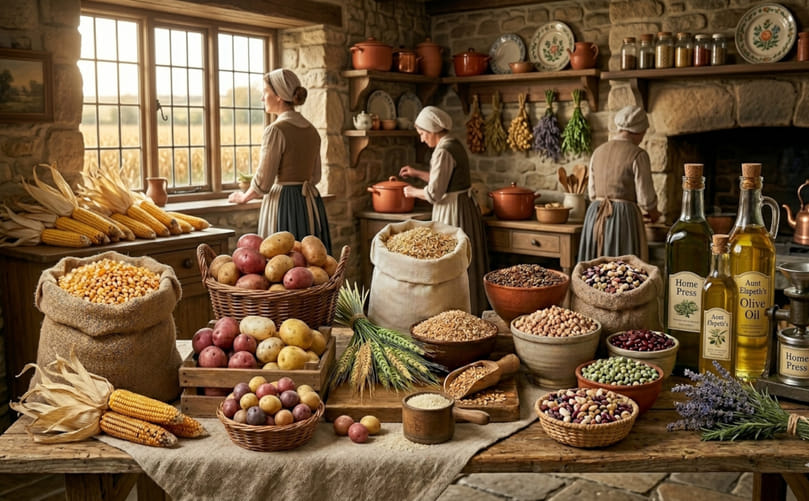
Raw Materials Used in Chips and Snacks Production
Manufacturing Process of Chips and Snacks: From Raw Material Selection to Final Packaging
The manufacturing of chips and snacks is a highly controlled industrial process designed to ensure consistent texture, taste, safety, and shelf life. Although the exact process varies depending on the product type (such as potato chips, corn snacks, extruded snacks, or baked snacks), the overall production flow follows a structured sequence of operations.
For potato chips, the process begins with raw potato selection, where varieties with high dry matter content and low reducing sugars are preferred to ensure crispiness and to prevent excessive browning during frying. The potatoes are then thoroughly washed to remove soil, stones, and other impurities, followed by mechanical peeling. After peeling, they are sliced into uniform thin slices using high-speed slicers to ensure even cooking.
These slices are then rinsed to remove surface starch, which improves texture and prevents sticking during frying. The next critical stage is frying, where the slices are cooked in edible oil at controlled temperatures, typically between 160°C and 190°C. This step reduces moisture content significantly and develops the characteristic crispy structure. After frying, excess oil is drained, and the chips are cooled to stabilize texture.
Once cooled, seasoning is applied using rotating drums or spray systems to ensure uniform coating. Seasoning blends may include salt, spices, herbs, flavor powders, or cheese-based formulations depending on the product profile. Finally, the chips are packed in moisture-proof and nitrogen-flushed packaging to prevent oxidation, maintain crispness, and extend shelf life. For extruded snacks, the process differs significantly. A dough is prepared using cereal flour, starches, or pulse-based ingredients with controlled moisture levels. This dough is fed into an extruder, where it is subjected to high pressure and temperature. As it passes through shaped dies, it expands rapidly due to pressure release, forming puffed structures. These are then either dried or lightly fried, cooled, and subsequently seasoned before packaging.
For baked and air-fried snacks, deep frying is eliminated or minimized. Instead, hot air circulation ovens or baking systems are used to achieve crisp texture with significantly lower oil content. This method is increasingly preferred due to growing consumer demand for healthier snack alternatives with reduced fat levels.
Flavoring and Innovation in Snacks: Advancing Taste, Technology, and Consumer Experience
Flavoring is one of the most important drivers of success in the snack industry, as it directly influences consumer preference, repeat purchase behavior, and brand identity. Modern snack innovation goes far beyond simple salt or spice application and now integrates food science, sensory evaluation, and global culinary trends.
Traditional flavor profiles such as salted, spicy, tangy, and chili remain foundational in the industry. However, manufacturers continuously develop regional and fusion-inspired flavors to meet diverse consumer preferences. Examples include masala blends inspired by South Asian cuisine, barbecue and sour cream flavors popular in Western markets, and sweet-spicy combinations that are particularly appealing to younger consumers.
Innovation in flavoring also includes advanced seasoning technologies, such as layered or multi-stage seasoning systems, where different flavor components are applied at various stages. This can include base seasoning, surface coating, and aroma-enhancing applications to create more complex and longer-lasting taste experiences.
Another major area of innovation is clean-label flavoring, where companies reduce or eliminate artificial additives and instead use natural spices, herbs, and plant-based extracts. This approach aligns with the increasing consumer demand for transparency, sustainability, and healthier ingredient profiles.
In addition, the industry is increasingly focusing on sensory innovation, which involves optimizing crunch intensity, texture perception, aroma release, and aftertaste duration. Advanced tools such as consumer data analytics and even artificial intelligence are being used to design new flavor combinations based on regional taste preferences and evolving consumption patterns.
Nutritional Profile of Chips and Snacks: Energy Density, Composition, and Health Considerations
The nutritional composition of chips and snacks varies widely depending on raw materials, processing methods, and added ingredients. However, most traditional fried snacks share a similar profile characterized by high energy density.
Potato chips, for example, are typically high in calories and fats, primarily due to deep frying in oils. A standard serving can contain significant amounts of fat, carbohydrates, and sodium, while providing relatively low protein and fiber content.
Corn-based and extruded snacks may have slightly different nutritional values depending on formulation, but they generally remain carbohydrate-rich and moderate to high in fat. Baked snacks tend to have lower fat content because they are not submerged in oil, making them comparatively lighter.
Protein-based snacks made from pulses and legumes have a more balanced nutritional profile, offering higher protein and fiber content along with lower fat levels. These products are increasingly positioned as “better-for-you” alternatives in the market.
Despite variations, a common characteristic of most chips and snacks is their high palatability but low micronutrient density, meaning they are enjoyable but not nutritionally complete foods.
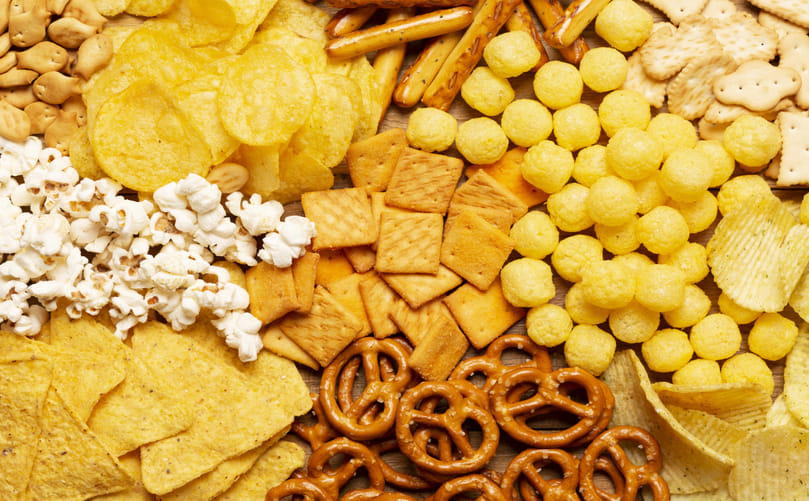
Nutrition Composition of Chips and Snacks: Fat, Carbohydrates, Protein, and Fiber Comparison
Health Impact of Chips and Snacks: Benefits, Risks, and Evolving Nutritional Perspectives
The health impact of chips and snacks is a widely discussed topic in nutrition science and public health. These products can offer convenience and energy, but their effects depend largely on frequency and quantity of consumption.
On the positive side, snacks provide quick energy, making them useful in situations where immediate calorie intake is required. They are also widely accessible, affordable, and convenient, which supports modern fast-paced lifestyles.
However, excessive consumption of traditional fried snacks is associated with several health concerns. High intake of saturated fats and trans fats (in poorly regulated oils), combined with high sodium levels, may contribute to risks such as weight gain, hypertension, and cardiovascular issues. Frequent consumption of highly processed snacks is also linked to poor dietary balance, as they often replace nutrient-rich whole foods.
Food safety authorities in many countries have encouraged manufacturers to reduce trans fats, lower sodium content, and improve labeling transparency. As a result, the industry is gradually shifting toward healthier formulations, including baked snacks, low-oil products, and fortified snacks with added fiber, protein, or micronutrients.
Modern nutrition trends emphasize moderation rather than elimination, meaning snacks can be part of a balanced diet if consumed responsibly and in controlled portions.
Global Snack and Chips Industry Trends: Health Transformation, Flavor Innovation, and Digital Market Expansion
The global snack and chips industry is experiencing strong and continuous growth, driven by changing lifestyles, urbanization, and demand for convenience foods. One of the most important trends is the shift toward health-oriented snacking, where consumers prefer baked, low-fat, high-protein, and clean-label products instead of traditional deep-fried snacks. This has pushed companies to reformulate products and reduce artificial additives.
Another major trend is flavor diversification and premiumization. Brands are no longer competing only on price but also on unique taste experiences, including global fusion flavors, regional spices, and limited-edition products. At the same time, premium snacks with organic ingredients, air-fried technology, and functional benefits (like added protein or fiber) are growing rapidly.
The industry is also being shaped by e-commerce and quick commerce platforms, which have made snacks more accessible through doorstep delivery. This has increased impulse buying and expanded market reach beyond traditional retail stores. Additionally, private-label brands from large retailers are gaining market share by offering lower-priced alternatives with similar quality.
Overall, the snack market is moving toward a combination of health, convenience, innovation, and digital accessibility, making it one of the most dynamic food categories globally.
Packaging Technology in Chips and Snacks: Protection, Shelf Life Enhancement and Sustainable Innovations
Packaging in the snack industry has evolved from simple storage to a critical technology for product protection, branding, and consumer convenience. Modern packaging is primarily based on flexible multilayer films, which protect snacks from moisture, oxygen, and light exposure—key factors that affect crispness and shelf life.
One of the most important technologies is nitrogen flushing, where oxygen inside the pack is replaced with nitrogen gas. This prevents oxidation, maintains crunchiness, and extends shelf life. Additionally, resealable and portion-controlled packs are becoming popular as consumers shift toward controlled eating habits and on-the-go consumption.
Sustainability is also reshaping packaging design. Brands are moving toward recyclable mono-material plastics, biodegradable films, and reduced plastic usage due to environmental regulations and consumer pressure. Packaging is no longer just functional; it also plays a major role in marketing, shelf visibility, and digital branding, making it a strategic part of product development.
Consumer Behavior in Snacking: Lifestyle Influence, Emotional Drivers, and Digital Impact
Consumer behavior in the snack industry is strongly influenced by lifestyle, emotions, and convenience needs. Snacking is no longer occasional—it has become a multi-occasion eating pattern, where people consume snacks during work, travel, entertainment, and social activities.
A key behavior driver is emotional eating, where snacks are consumed for stress relief, pleasure, or reward rather than hunger. This is especially common among younger consumers who associate snacks with entertainment and social experiences.
Another important factor is impulse purchasing, driven by attractive packaging, shelf placement, and aggressive marketing. Brand loyalty exists but is often influenced by taste consistency, affordability, and availability, rather than long-term commitment.
Digital influence is also increasing. Social media trends, influencer marketing, and online reviews now play a major role in shaping snack preferences, especially among Gen Z and millennial consumers.
Challenges in the Snack Industry: Health Concerns, Cost Pressures, Competition, and Regulatory Compliance
Despite strong growth, the snack industry faces several structural challenges. One of the biggest concerns is health criticism, as many traditional snacks are high in fat, salt, and calories. This has led to increased regulatory pressure on reducing trans fats, sodium levels, and artificial additives.
Another major challenge is raw material price volatility, especially for potatoes, edible oils, and packaging materials. This directly impacts production costs and profit margins.
The industry is also highly competitive, with both global giants and local brands competing aggressively. This leads to price wars, high marketing costs, and low customer loyalty in some segments.
Additionally, strict food safety regulations and labeling requirements are becoming more complex, requiring companies to continuously adapt their formulations and compliance systems.
Future of Chips and Snacks: Health-Focused Innovation, Sustainability, and Smart Food Technologies
The future of the snack industry is moving toward a strong integration of health, sustainability, and technological innovation. One of the most prominent directions is the rise of functional snacks, which include added protein, fiber, probiotics, and plant-based nutrients designed to support overall wellness and specific health benefits.
There is also a clear shift toward clean-label products, where consumers prefer simple, recognizable ingredients with minimal artificial processing. This trend is encouraging manufacturers to adopt natural seasonings, healthier oil alternatives, and less processed raw materials.
Plant-based and pulse-based snacks are expected to grow significantly in the coming years, driven by increasing demand for vegetarian protein sources and more sustainable agricultural practices. These ingredients also align well with both health-focused and environmentally conscious consumers.
Another important future trend is sustainable packaging, including biodegradable materials, recyclable mono-materials, and plastic reduction strategies. Environmental responsibility is becoming a key factor influencing both brand reputation and purchasing decisions.
Finally, innovation driven by artificial intelligence and personalized nutrition is emerging as a major frontier. Future snack development may increasingly rely on data-driven insights to tailor products based on consumer health profiles, dietary preferences, and lifestyle needs. Overall, the industry is gradually evolving from mass production toward smarter, healthier, and more experience-oriented snacking systems.